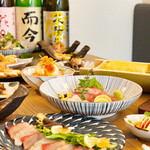
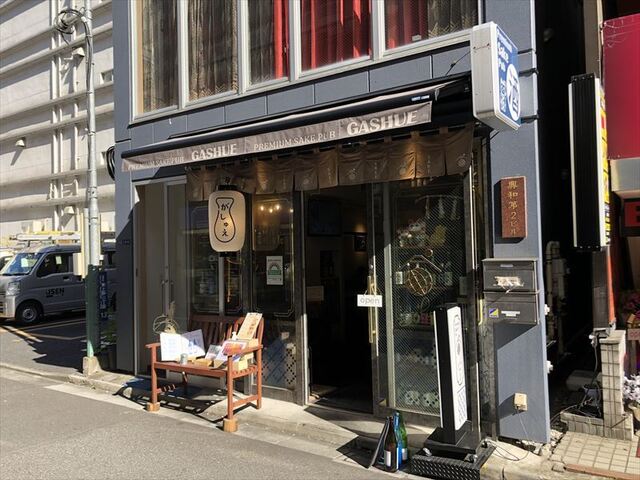
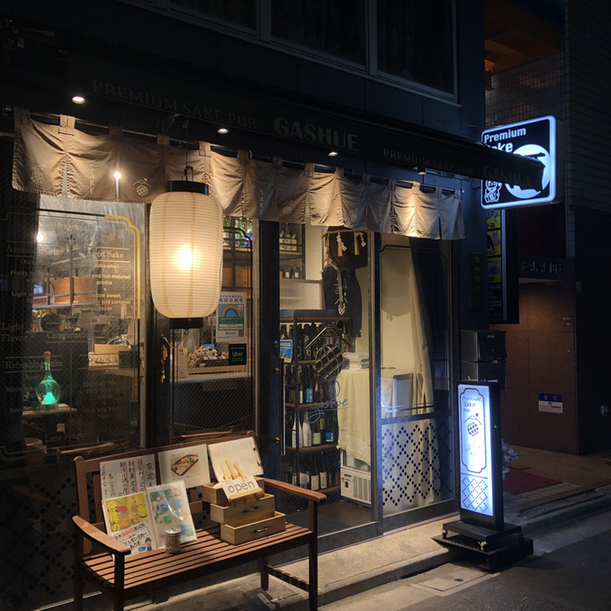
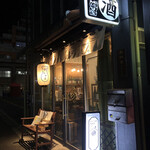
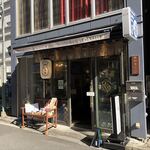
Premium Sake Pub GASHUE
3.13
Ueno, Okachimachi, Yushima
「Nihonshu」
4,000-4,999円
--
Opening hours: Lunch [Mon-Fri] 11:30-14:00Dinner [Mon-Fri] 17:00-23:00[Sat] 16:00-23:00
Rest time: Sunday
東京都台東区東上野2-13-5
Photos
(20)
Details
Reservation Info
can be reserved
Children
child-friendly
Payment Method
Credit cards accepted
(VISA, Master, JCB, AMEX, Diners)
Electronic money accepted (transportation system electronic money (Suica, etc.), iD, QUICPay)
QR code payment accepted
(PayPay, d-payment, Rakuten Pay, au PAY)
Number of Seats
30 seats
(5 seats at counter, 20 seats at tables, private rooms)
Private Dining Rooms
Yes
(Can accommodate 2 or 4 persons)
Private rooms are available.
Smoking and Non-Smoking
No smoking at the table
Parking
None
Coin-operated parking available next to the store
Facilities
Stylish space, Calm space, Large seating area, Counter seating, Sofa seating, Sports viewing available, Standing drinking available, Projector available, Power supply available, Free Wi-Fi, Wheelchair accessible
Drink
Sake available, shochu available, stick to sake, stick to shochu
Dishes
Focus on vegetable dishes, fish dishes, health and beauty menus available
Comments
(20)

mura1969
4.20
A global sake izakaya located in Tokyo. Recently, many overseas customers have been visiting. It's a wonderful izakaya that is trying to promote sake. Thank you for the delicious meal! Premium Sake Pub GASHUE 050-5597-5941 2-13-5 Higashi Ueno, Taito-ku, Tokyo.
mura1969
4.20
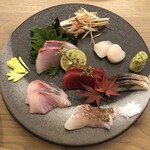
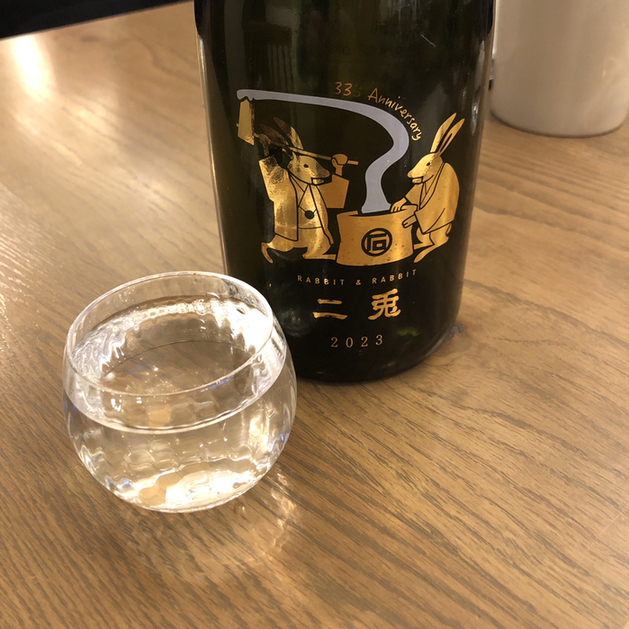
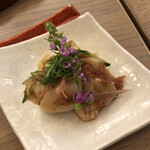
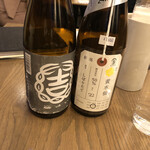
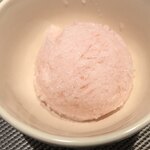
We went to Gashue, a sake paradise in Ueno, for a celebration after our wedding reception. We enjoyed sashimi, torotaku, delicious dishes like ice cream, as well as tasty sake such as Imada, Koshin, Futamata. We had a great time with our parents and my wife. She seemed happy too. Thank you for the wonderful meal!
mura1969
4.20
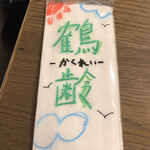
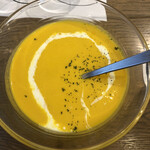
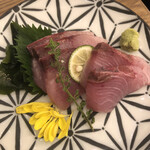
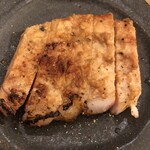
I went to the popular Japanese sake pub Gashue in Ueno. The owner and the people who gather there all love sake. They hold events a few times a month, and this time it was a Tsuru Rei exploration event. It was the first Tsuru Rei event in 3 years. We got to hear directly from the executive and the sales representative, and we were able to toast as well. The food was also delicious, and it was a very satisfying day! I will definitely come back! Thank you for the meal!
mura1969
4.20
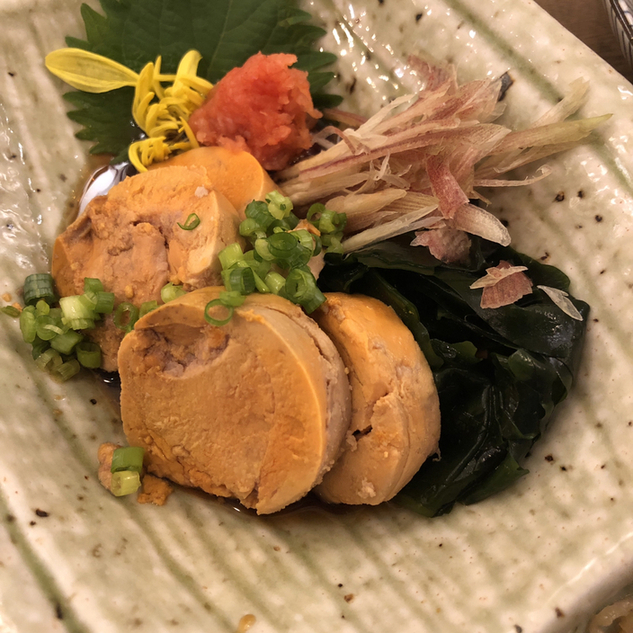
Had dinner at Gashue with craft beer to start, followed by a variety of sake from all over Japan. The food was delicious, especially the creamy ankimo and crispy karaage. We also enjoyed a tasting flight of sake from Date Seven. It was a truly blissful experience! Thank you very much!!!!!!!

mightycomet
3.20
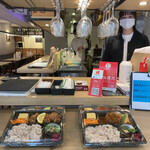
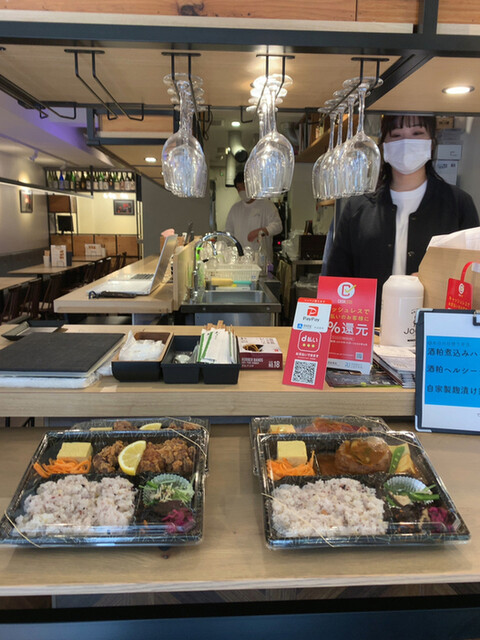
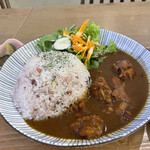
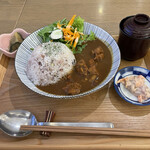
Sake Lees Healthy Chicken Curry 850 yen
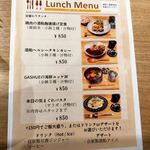
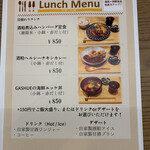
Today I had lunch in Naka-Okachimachi. I entered at 12:43, with 2 customers already inside and 1 customer coming in after me. The lunch menu included:
Homemade sake lees tartar chicken nanban set meal (with multigrain rice, 2 side dishes, and soup) 850 yen
Sake Lees Healthy Chicken Curry (with 2 side dishes and soup) 850 yen
GASHUE's seafood yukke bowl (with 2 side dishes and soup) 850 yen
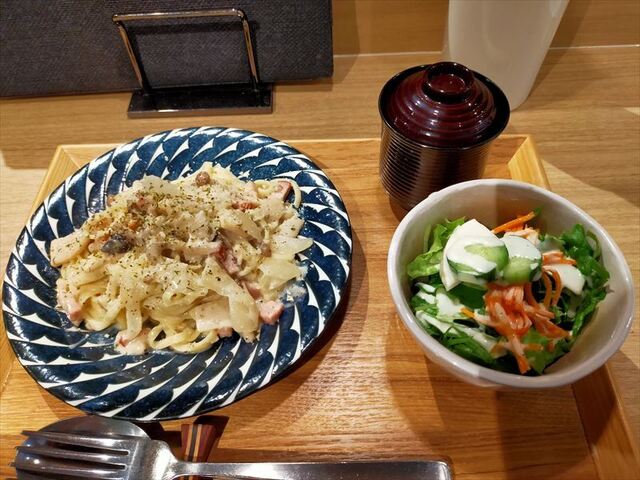
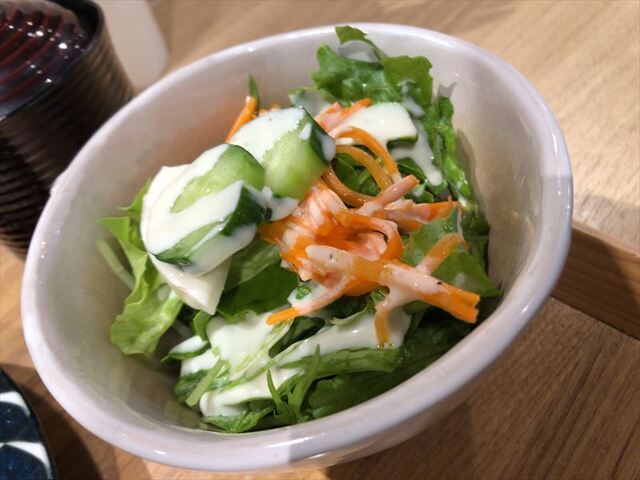
Today's whim pasta (with salad and soup) 850 yen
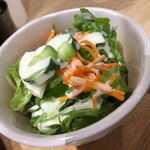
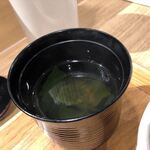
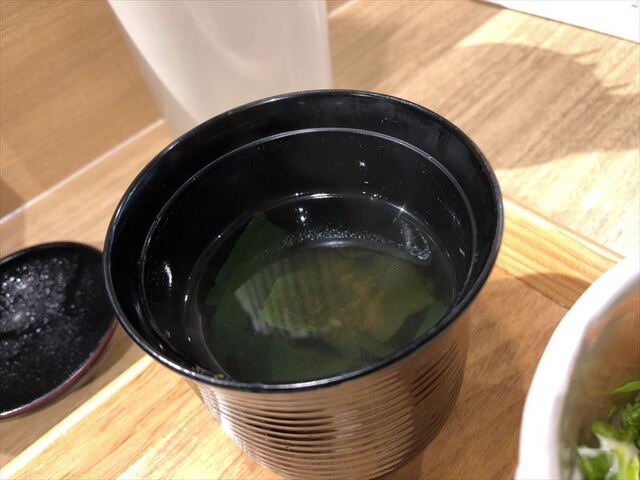
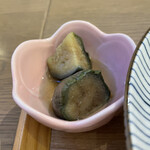
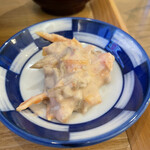
I was initially thinking of getting the pasta, but the 2 side dishes caught my attention. When I asked, I found out they were lotus root and salmon salad, and simmered eggplant. I ordered the Sake Lees Healthy Chicken Curry. It was served promptly, arriving about 4 minutes after ordering. The chicken curry came with a salad topping. The rice was multigrain, and the curry was mild without much spiciness. The chicken pieces were large and tender, very delicious. The miso soup with seaweed had some miso paste left at the bottom, which was a rare find. I personally love miso soup with miso paste left at the bottom, so I was very happy about this. It was a lunch that was kind to the body, and I enjoyed it very much.
Used for lunch on June 10, 2022 - Rating: 3.11
mura1969
4.20
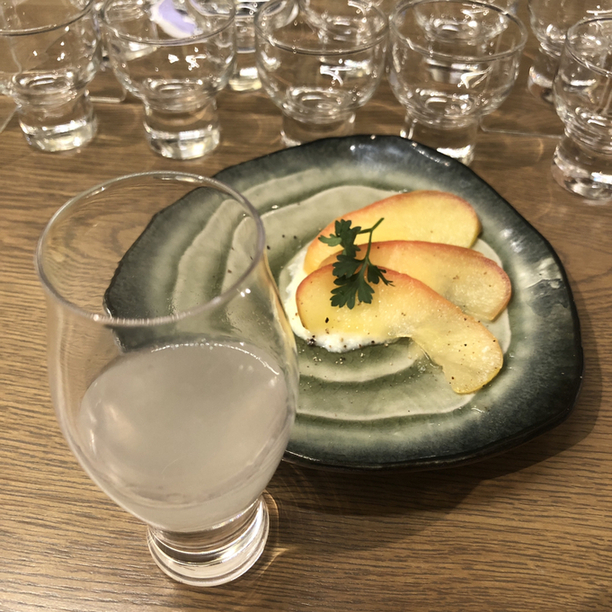
I enjoyed a plan to appreciate Izumi Bridge. It was a time to truly appreciate the delicious sake, from chilled to warm. I was able to enjoy dishes made with sake rice, and it was nice to be able to support farmers and brewers even a little. I found the differences in aroma and taste depending on the glass to be very interesting. Thank you for the delicious meal!
mura1969
4.20
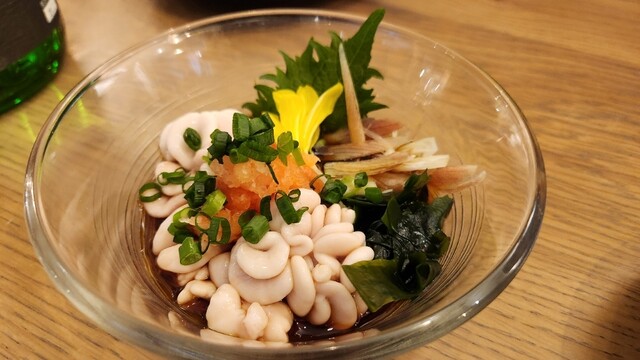
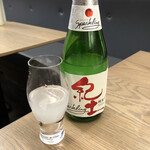
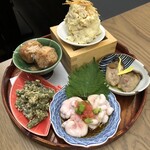
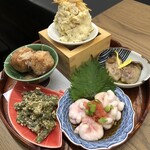
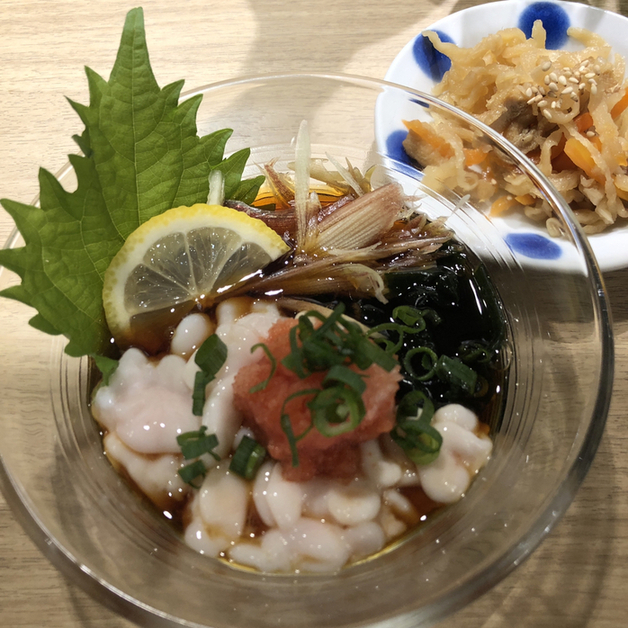
Had dinner at Gashue-san. Started with Kid's sparkling wine and enjoyed various local sake. The food was delicious, especially the shirako with ponzu sauce and ankimo, as well as the crispy fried chicken. It was truly a blissful experience! Thank you for the meal!!!
mura1969
4.20
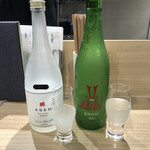
I visited GASHUE, a famous sake shop in Ueno, for the first time outside of an event. It was my first time sitting at the counter, and it was enjoyable to watch the staff. The place was packed as it was close to the end of the year, and the staff seemed very busy. This time, I ordered individual drinks instead of the all-you-can-drink option. I tried various unique and precious sake, including the Snow from Akabu that I was curious about. Dishes like Shirako Ponzu were delicious and paired well with the sake. I had a wonderful time. I might have gotten a little too drunk (^◇^;) Thank you for the feast!
mura1969
4.20
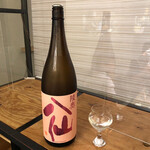
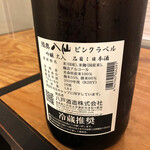
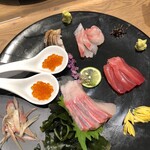
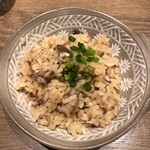
Treasure trove of sake/Ueno's Gashue-san. Is there any other place that offers all-you-can-drink like this? No! The sashimi was delicious, and the food was even more delicious, it was amazing. We mainly had sake from Aomori, and it was delicious as expected! Thank you for the feast!

rr2027
4.00
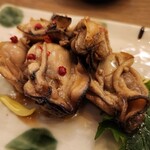
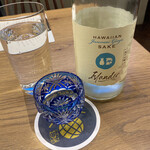
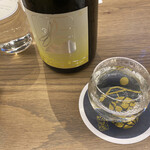
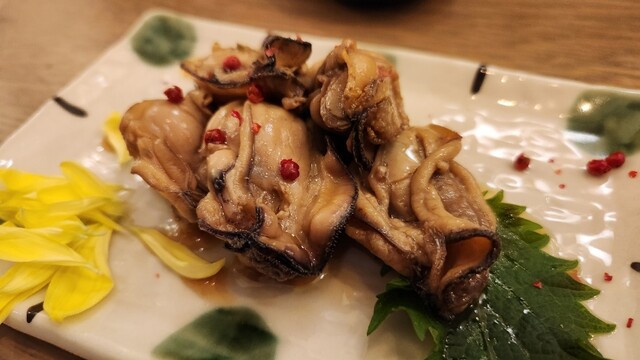
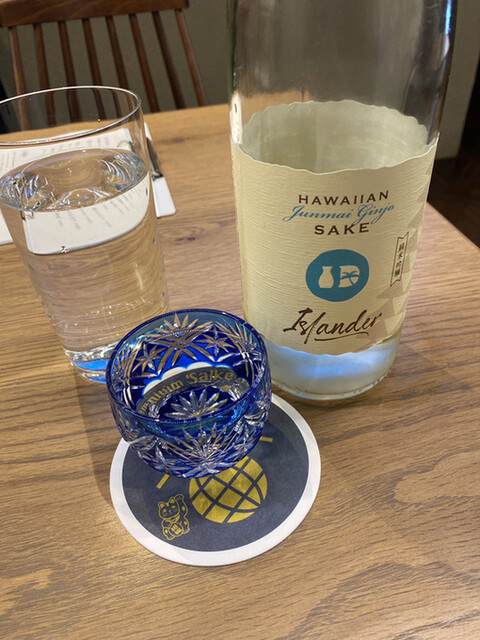
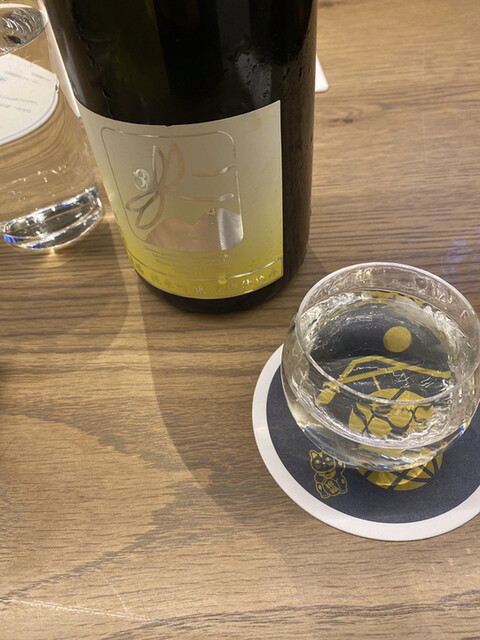
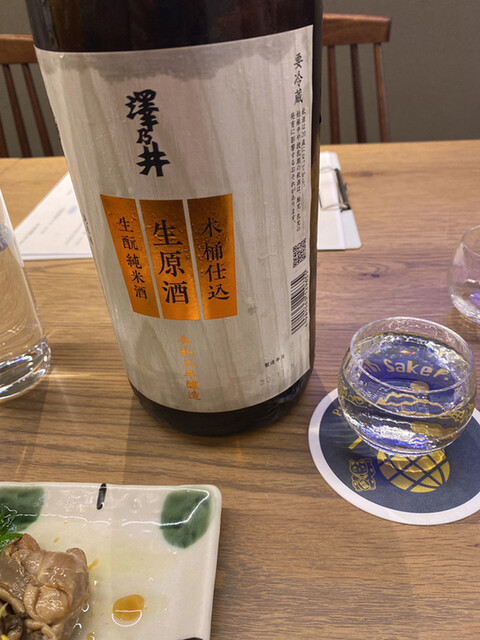
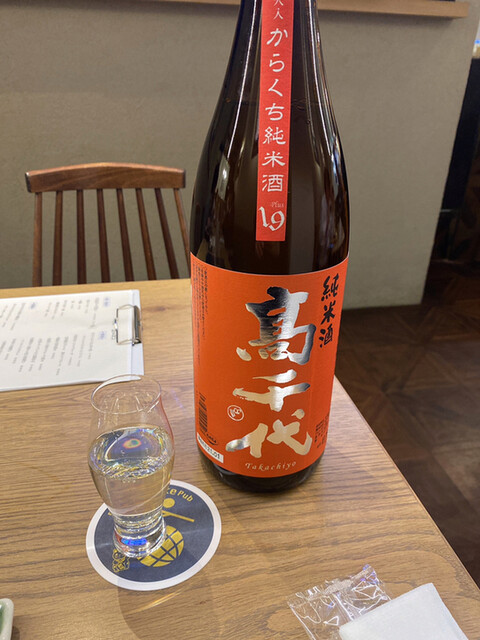
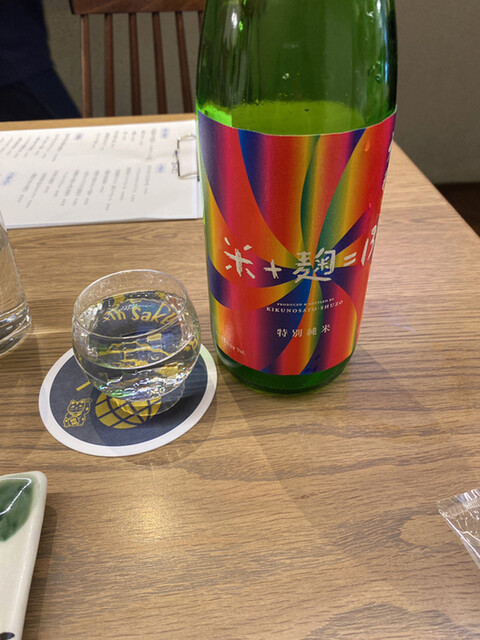
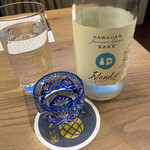
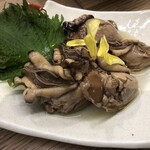
Recently, I have been neglecting my studies on sake... partly because I don't go out at night, but I feel a sense of crisis that I might be left behind if I continue like this. I searched for a place in Ueno where I could study from the afternoon, and found this place. It was lunchtime, but I didn't mind and ordered sake and some appetizers. The interior was spacious, bright, and clean, with a large TV for some reason. The small eggplant appetizer was delicious. I enjoyed eating the oil-marinated oysters, which were quite large and satisfying. Now, let's start studying. Oh, the sake menu is so easy to understand. It is categorized into four types: refreshing, fragrant, mellow, and mature, color-coded and clearly explained with several varieties. The prices are uniform. And there is a new genre of sake that no longer fits into these categories, such as low-polishing rate sake, sake made with wine yeast, and sake made with white koji. These sakes have distinctive acidity, and while some people find them noisy, they are popular among sake beginners. There is also a section for white koji and sakes made in wooden barrels or with kimoto method. The explanations are detailed and very helpful for sake beginners who come alone. There are also some niche sakes available, so even those who drink quite a bit can enjoy them. Niche sakes... there was even sake from Hawaii, like "Islander," which I have hardly ever tried foreign sakes, so it was a pleasant surprise, not particularly delicious, but there was something deeply moving about it. They also make white koji sake in Izumi Hashi, Kanagawa... a sake with citric acid and a sharp sweetness. I tried Sawa no Tani from Tokyo, also my first time trying sake made in wooden barrels, another new discovery. I was born in Tokyo, so I want to support Tokyo sake. I wonder if they will warm it up if I ask? There are various types of Takachiyo sake, such as Takachiyo (sweet and fruity), and high-chiyo (typical sake flavor), so if you order without knowing, you might be surprised by the difference. This one is like a typical, thick sake at room temperature. Odori, with low alcohol content, has a sweet banana-like aroma but restrained sweetness, making it gentle on the body. The glasses are subtly different, perhaps with a purpose. It was good to be able to study sake after a long time.
mura1969
4.30
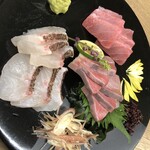
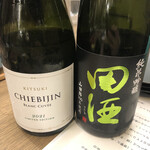
I visited the famous sake shop GASHUE in Ueno. The person I went with said, "This might be my favorite shop," and they really liked it. This time, we didn't do all-you-can-drink, but ordered individual items. We tried various rare and unique sake, all of which were delicious and went well with the food like sashimi and assorted appetizers. We had a wonderful time. I will definitely come back! Thank you for the delicious meal! :)
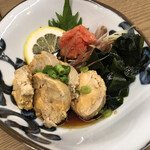

ARA
0.00
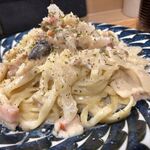
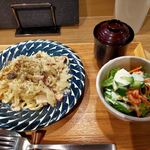
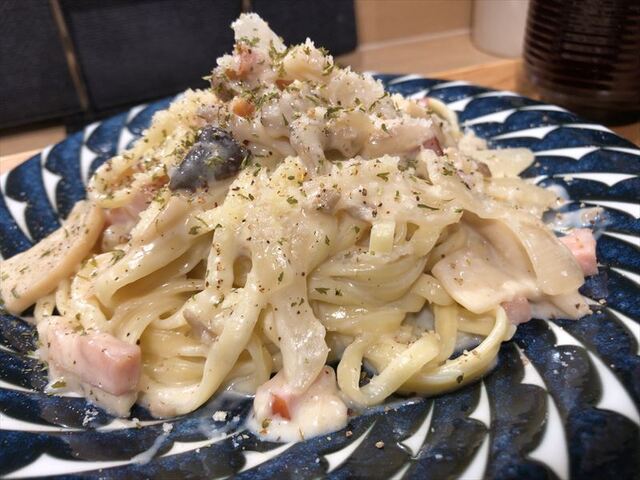
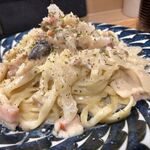
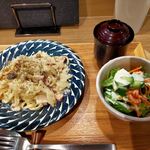
If lunch is a disappointment, there is no need to regret it, as it is a learning experience. The menu includes chicken marinated in sake lees, healthy chicken curry, seafood yukhoe bowl, and today's special pasta. I tried the "Mushroom and Bacon Sake Lees Cream Pasta" and found that it tasted like sake lees. It may appeal to some, but personally, I found it lacking something and the seaweed was a letdown. The soup was also just okay. Overall, it's not really a lunch option for me, so I might try something else next time.

Mackie N
3.50
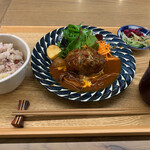
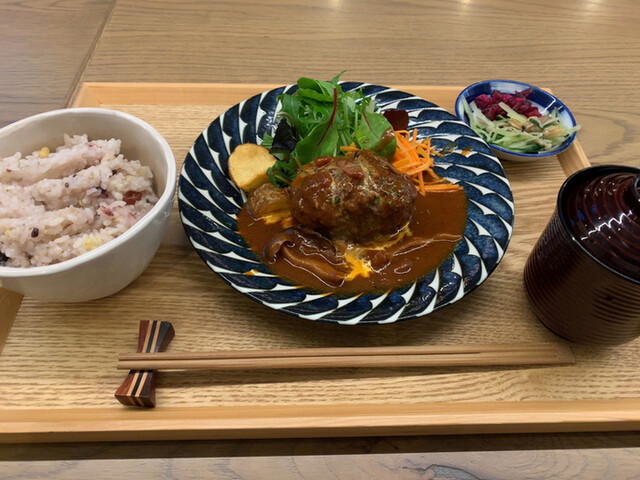
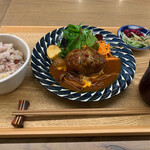
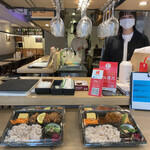
GASHUE started serving lunch, and they have a menu that utilizes sake lees, such as the Sake Lees Stewed Hamburger Set for 850 yen. The sake lees make the meat tender and juicy, enhancing the flavor. The side dishes include plenty of vegetables for a well-balanced meal. Despite the restrictions on evening operations, many places are implementing various measures to secure sales. I look forward to the day when events featuring sake breweries from all over the country will resume. Takeout is also available.

fumion9222
3.90
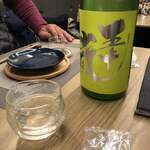
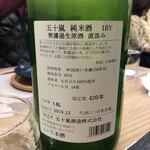
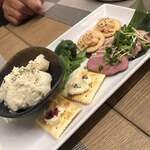
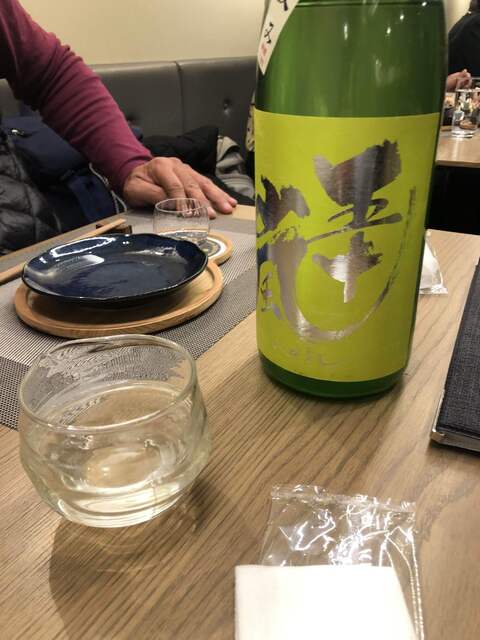
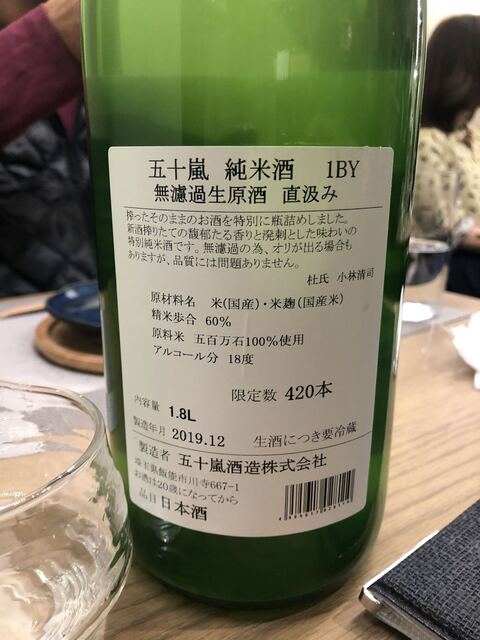
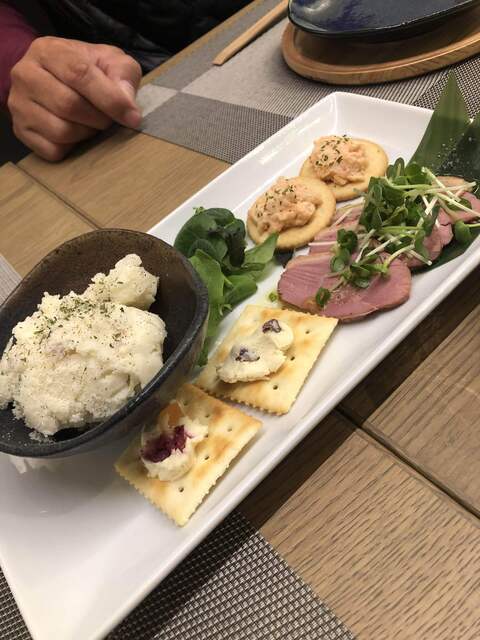
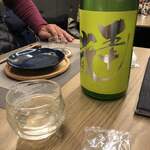
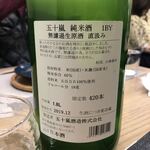
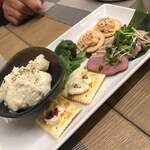
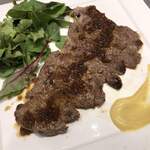
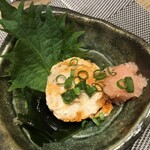
I used it for a year-end party with customers. I wanted to drink sake, but I didn't want it to be too expensive. Plus, it was a Friday night at the end of the year. I searched with these conditions two days ago and remembered GASHUE, so I made a quick reservation. I was able to book a course with all-you-can-drink sake for 5,000 yen starting at 8:15 PM. The 7-course meal with all-you-can-drink sake for 5,000 yen is cheap! The sake I drank included: Igarashi Unfiltered Fresh Sake, Mimuro Sugi Unfiltered Fresh Sake, Sakaya Hachibei Junmai Fresh Sake, Yamagata Masamune Inamune, Nanbu Bijin Junmai Sake Freshly Squeezed Fresh Sake, Kawatsuru Junmai Autumn, Mutsu Hassen Aromatic Super Dry Unfiltered Fresh Sake, Ryuzei First Press Special Junmai Sake Unfiltered Fresh Sake, Zanso Horai Freshly Squeezed, and Shinjin Junmai Daiginjo Junmai New Sake Freshly Squeezed. The course meal included: Assorted Appetizers, Shirasu Salad, Smoked Salmon Salad, Pork Kasu Grilled, Lotus Root Tempura, Mixed Rice, Homemade Kasu Ice Cream. The menu for the course meal had a sufficient amount of food, and while there wasn't a standout dish, each dish was like a perfect accompaniment to enjoy sake. I enjoyed various dishes while sipping on a variety of sake. Since it's in Tokyo, there were many sake varieties from the eastern part of Japan, but there seemed to be a wide selection of sake from Tohoku, Kanto, and Chugoku regions not just today. Also, there were many unfiltered fresh sake and first press sake. I don't usually write so much about "unfiltered fresh sake" or "freshly squeezed" on Tabelog. It must suit my taste, but I'm glad there were many rich-tasting sakes. Especially Igarashi and Shinjin are not easy to find in stores, so you have to look for a place where you can drink them. This place has a pretty good cost performance, especially with the all-you-can-drink course. Thank you for the meal.
mura1969
4.20
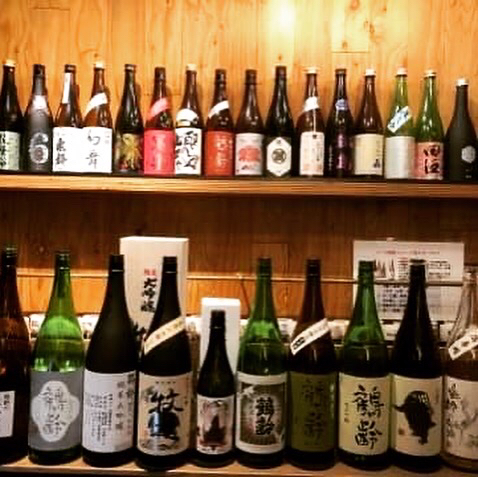
I visited the popular sake pub Gashue in Ueno. The owner and the people who gather there all love sake. They hold events a few times a month, and this time it was an event to explore the charm of Tsuru Rei sake. We were able to hear directly from the president and managing director, and we were able to toast as well. The food was also delicious, and it was a very satisfying day! I will definitely come back again! Thank you for the meal! :)
mura1969
4.10
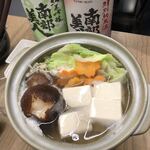
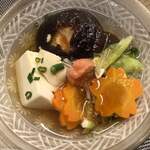
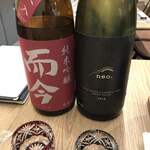
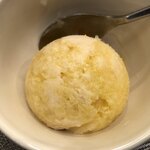
On this day, I had a hot pot with Kabosu vinegar! I was impressed by the deliciousness of shiitake mushrooms and tofu. I deeply felt the deliciousness of Nanbu Bijin's junmai sake, and the depth of the junmai ginjo hiyaoroshi served warm. I finished with the precious sake and sake lees ice cream from Aiyama and Futotoki. Even though it was near closing time, I was moved by the kindness of the staff who served us without a frown. Thank you for the wonderful meal!
mura1969
4.10
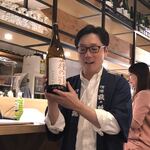
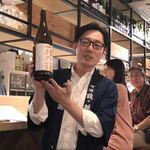
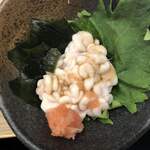
Gashue's Hagi no Tsuru no Kai. A sake brewery with a strong image of glasses. When you listen to their story and hear about their commitment, the sake tastes even more delicious, it's strange. The food was also satisfyingly served! Thank you for the feast ^ ^
mura1969
4.00
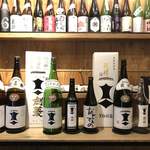
I visited the popular sake pub Gashue in Ueno. The owner and the people who gather there all love sake. They hold events a few times a month, and this time it was a tasting event for Kenbishi sake. We got to hear from the president and enjoyed delicious food. The best part was being able to taste all the different types of sake at both room temperature and warm. It was a day of complete satisfaction! I will definitely be back! Thank you for the wonderful meal! ^ ^
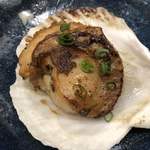
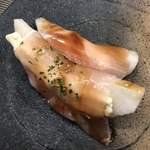
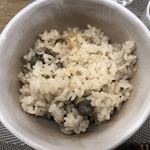

セーチン
3.70
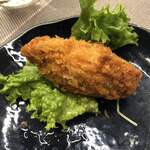
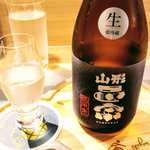
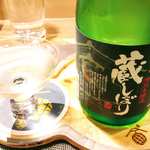
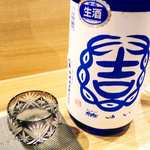
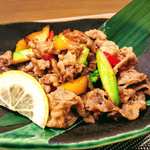
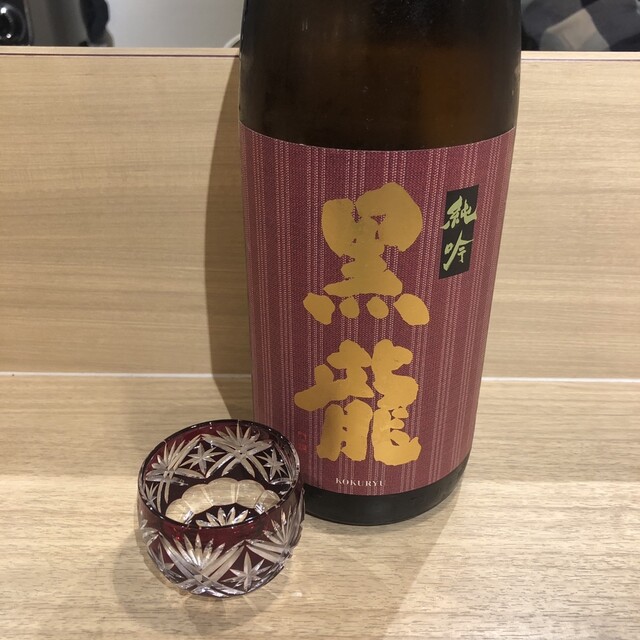
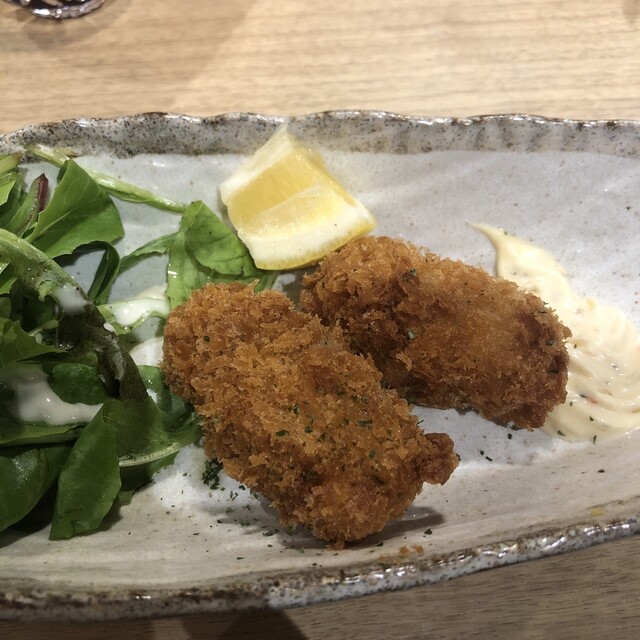
On Wednesday evening, as usual, I compared craft beers at TOWA before venturing to a new place in the Higashi Ueno area! I visited the trendy sake bar "Premium Sake Pub GASHUE," which opened just this January. The place was clean and had a calm atmosphere, with three male staff members managing the place. There were a few customers, including some from overseas. I started with a glass of "Yamagata Masamune" sake future (500 yen) which was a safe choice. The appetizer (350 yen) was a bit pricey but it complemented the drink well. For my second sake, I tried the "Kurobe Kyō" (400 yen) from Hayashi Shuzojo in Toyama Prefecture. I also added a dish of large oyster fry. I ended the night with a glass of the "Yui" sake from Ibaraki Prefecture. Despite the short stay of about an hour and a half, the bill came to exactly 3150 yen for a quick drink and meal. The place offers a variety of sake options and delicious appetizers that pair well with the drinks. I would rate it 3.7 out of 5. It's a quiet place where you can enjoy a relaxed drinking and dining experience, but it seems to face tough competition, so I hope it survives in the long run.
fumion9222
3.80
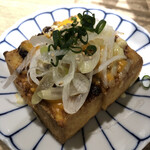
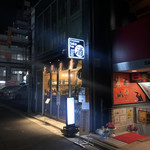
Used for a meal with my younger brother. Local friends joined us midway and the three of us drank together. As usual, we didn't make a reservation and went drinking on Friday night without a plan. Of course, everywhere was full. So, we searched on Tabelog again. I was thinking of a place near Akihabara where we could drink slowly, and I remembered GASHUE, which I visited recently. I called to confirm if we could go since it had just opened. We were able to make a reservation without any problems. We arrived in about a 15-minute walk. They prepared a seat at the back for us, and it was very cozy. The drinks we ordered were as follows: - Bottled beer - Machida Shuzo - Daina - Mutsu Hassen - Toyosai - Zansou Hourai - Ryusei - Mitsui no Suzu - Karakuchi - Abe Kan Food menu: - Appetizer (meat dumplings) - Oil-pickled oysters - Nuts and cheese marinated in mirin soy sauce - Grilled thick tofu with aromatic miso - Burdock - Stir-fried burdock in sweet vinegar - Meat tofu - Deep-fried local chicken - Ray fin The drinks were quite different from last time. I like Machida Shuzo, Daina, which has a fresh and sour taste. Then I had a slightly spicy and strong sake. The food menu seemed similar to last time, but the lineup was slightly different. The nuts and cheese marinated in mirin soy sauce, which was sold out last time, was rich and perfect for drinking. Each dish is not a large amount, but the prices are low, so it feels like you're eating a lot. My friend drinks but doesn't eat much, so this amount was just right for us. We spent 9,000 yen for three people, and we even got change back. The price was lower than expected, and we had a great time in the spacious environment. Thank you for the meal.
Email Login