シヅカ洋菓子店 自然菓子研究所 銀座5丁目店
shidukayougashitenshizengashikenkyuujo
3.63
Ginza
「Western Sweets」
--
--
Opening hours: 11:00 - 20:00 Open Sundays
Rest time: Same as the facility. Business hours and holidays are subject to change, so please check with the store before visiting.
東京都中央区銀座5-7-10 EXITMELSA GINZA SWEETS MARCH 1F
Photos
(20)
Details
Reservation Info
can be reserved
Payment Method
Credit cards accepted
Electronic Money Accepted
Private Dining Rooms
None
Smoking and Non-Smoking
No smoking at the table
Parking
None
Comments
(21)

gozeera
4.20
Exit Melsa in Ginza renovated its first floor and created a sweets corner. The lineup includes famous and up-and-coming shops, such as the sparkling fruit daifuku from Kanaya, and the anko sweets from Anko no Kachi, which can only be found here in Tokyo. One shop that stood out was Shizuka Patisserie, which has been incredibly popular since its opening. Their biscuit and baked goods showcase in the store have been continuously sold out. Shizuka Patisserie is a new patisserie that opened in Shirokanetakanawa in 21 years. The pastry chef used to work for Pierre Marcolini. The name "Shizuka" means "to control nature," and their pastries reflect a natural style.
By the way, do you know the difference between biscuits and cookies? Strictly speaking, they have the same meaning. In the UK, they are called biscuits, in the US, cookies (biscuits are soft bread-like pastries), in France, they are called "biscuit," and in Germany, they are called "Biskuit." In Japan, cookies are typically homemade-style treats with higher sugar and oil content, which is why they are called cookies to distinguish them. Cookie tins are very popular, with pioneers like Murakami Kaishindo in Kyoto and Yonemura. Atelier Uka initiated the trend, and now there are long lines at department stores like Aoyama Decarbo, Cafe Tanaka, and Mamon Efeu. Patisseries like Maison de Petit Four and Addict Oshukuru (Cat Can) also have popular cookie tins. This trend of reusing tins has led to various stores selling sparkly bijou tins.
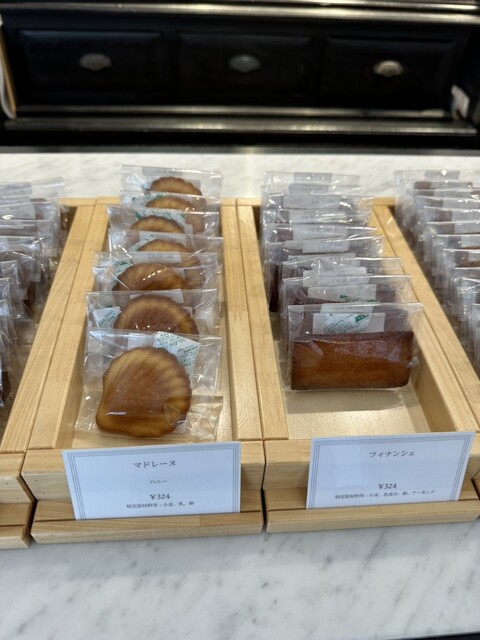
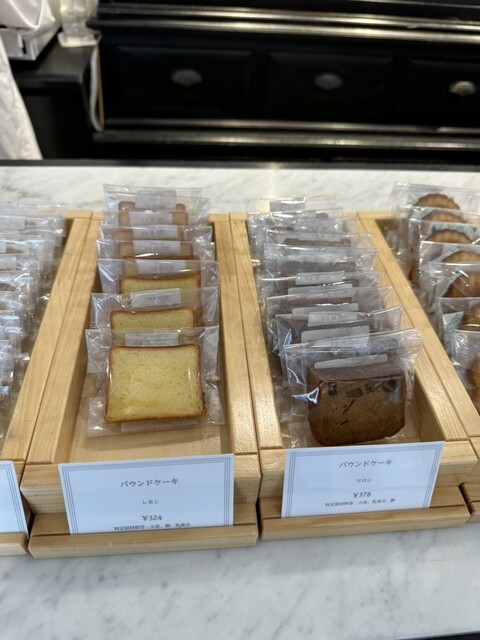
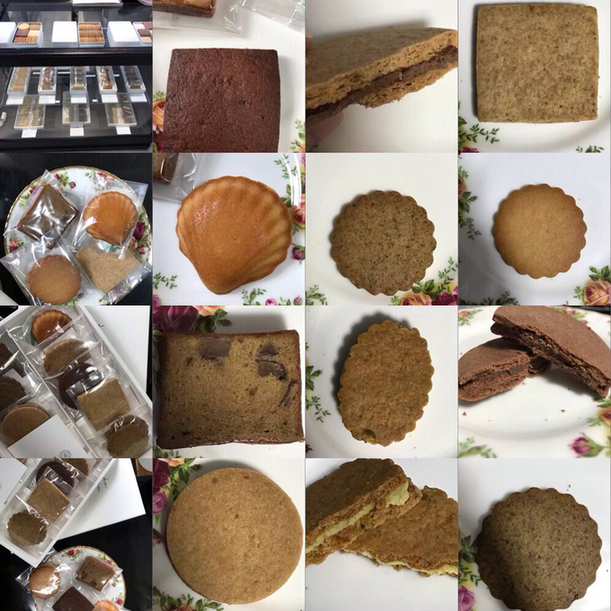
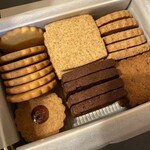
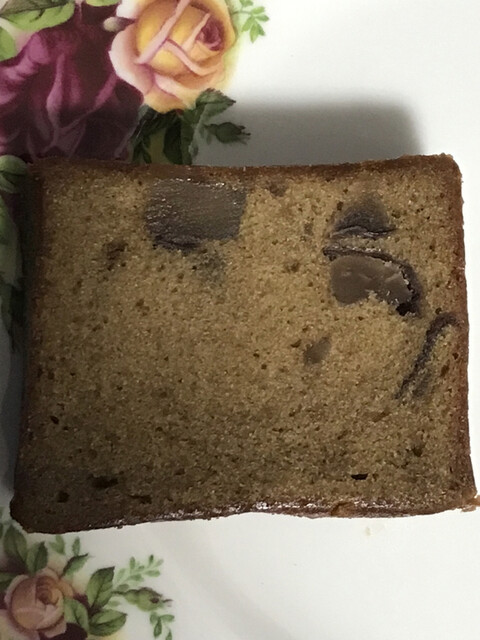
Here at Shizuka, they have named their tin of biscuits "No.42" for 3,262 yen. Madeleines are 324 yen, and chestnut pound cake slices are 378 yen. I tried to find a product that had a bit of everything, and the madeleines also had some pound cake in them. The cookies, or rather biscuits, were delicious. The firm and substantial dough had a crisp texture and was very tasty. I usually love simple and crispy cookies, like those from Rus Rus, but these were also delicious. The biscuit dough is kneaded by hand without using baking powder. The color comes from whole wheat flour. The sweetness of the cane sugar is gentle, and the butter from Yotsuba is milky and not overwhelming. They also use high-quality ingredients like domestic honey and organic hojicha tea from Uji, Kyoto. The chocolate biscuits made with Dominican cocoa were also delicious. It's no wonder, given that the staff used to work for Marcolini. The crunchy texture makes you chew thoroughly, and with each bite, you can taste the wheat, sweetness, recipe design, texture, finishing techniques, all of which seem to be of high quality. I would like to take these as a new Tokyo souvenir. Thank you for the meal.

shinn679
4.00
Second visit. I actually came on the first day of the three-day weekend, but it was almost a total failure (laughs). On the last day of the three-day weekend, Respect for the Aged Day, I came to have lunch at the nearby restaurant and decided to stop by again on the way back.
■ Inside the shop
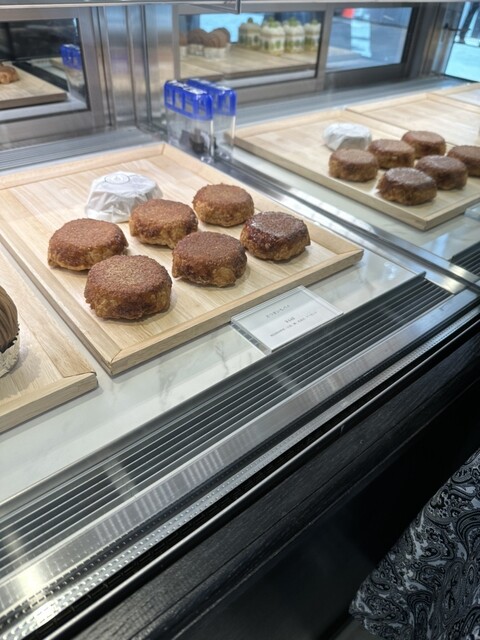
When I timidly entered, it felt like a completely different world compared to the day before! There were plenty of items from bara-uri to cookie tins! I came around the same time as the other day, but it really changes depending on the day. So, I purchased the following items. There were also three types of cakes, but I didn't have the confidence to bring them home in this heat.
■ Impression
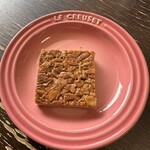
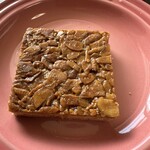
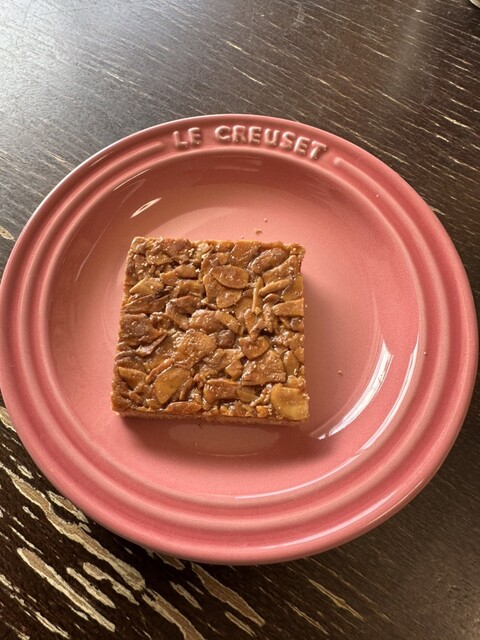
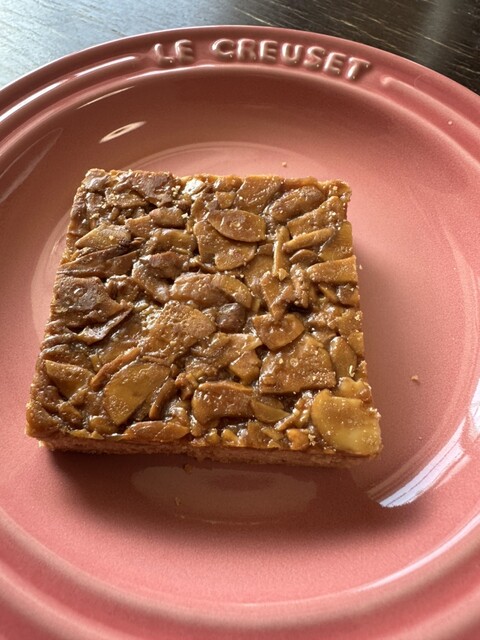
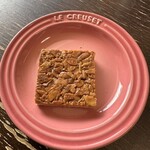
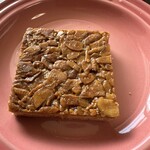
① Florentine
Once again, overwhelmingly delicious! The taste is so amazing that I want to lick the remaining crumbs on the plate!
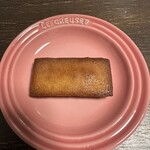
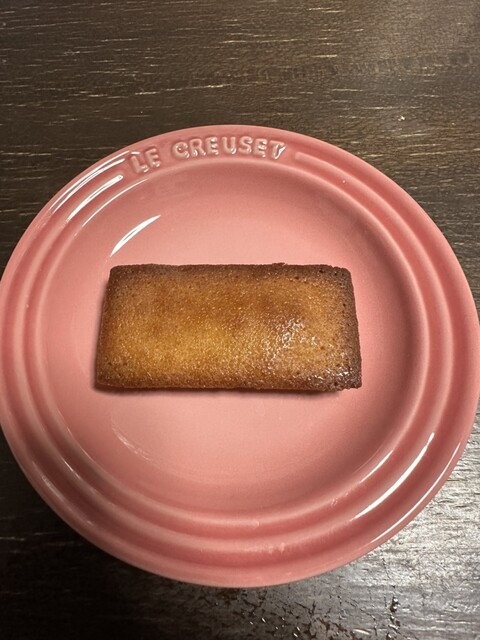
② Financier
Not quite there. Honestly, it doesn't stand a chance compared to "Noix de Verve." A specialist is a specialist.
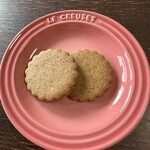
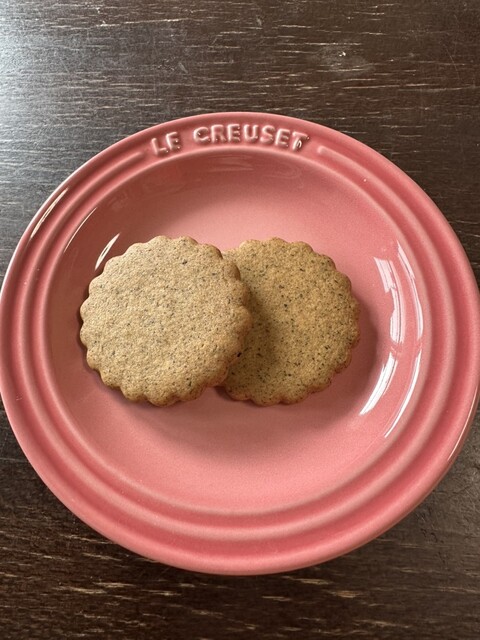
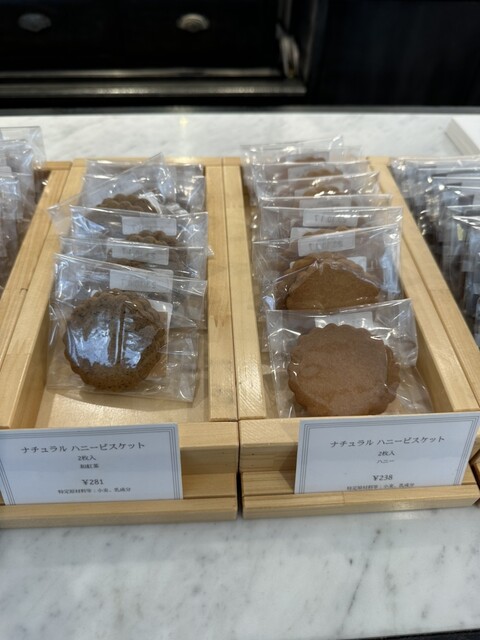
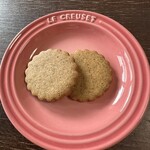
③ Honey Biscuit
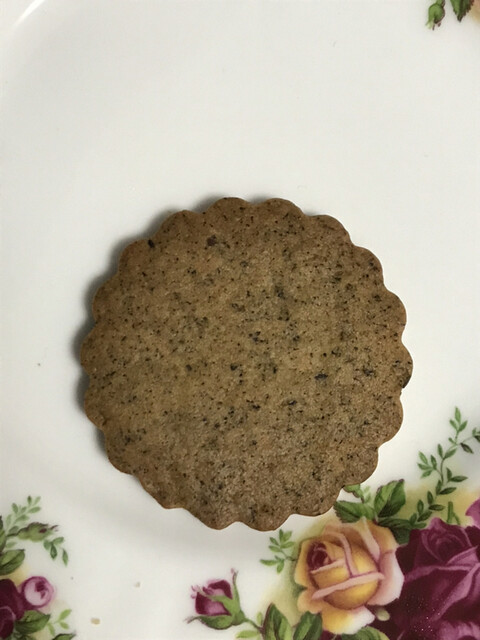
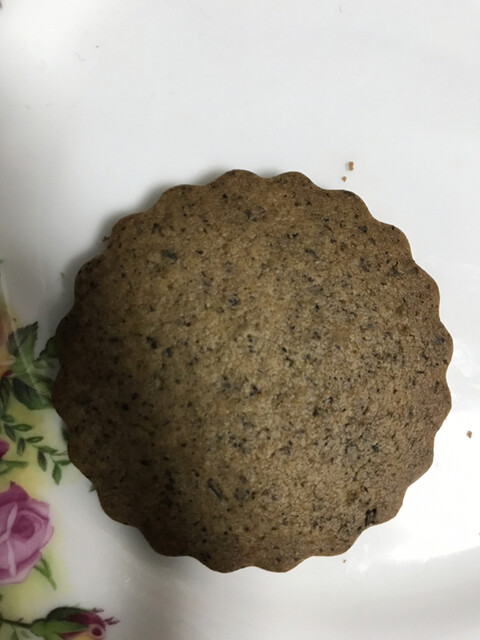
Full of black tea flavor! This is also delicious and deep!
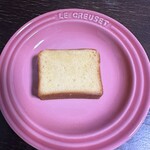
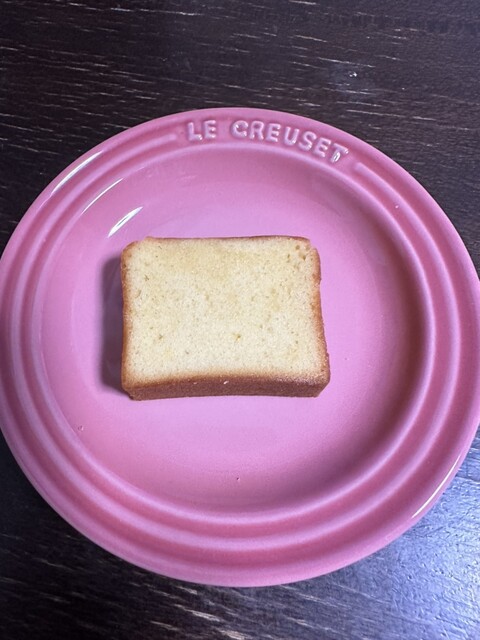
④ Lemon Pound Cake
The scent of lemon is wonderful. However, the pound cake itself is just average.
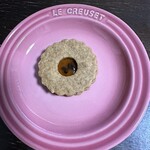
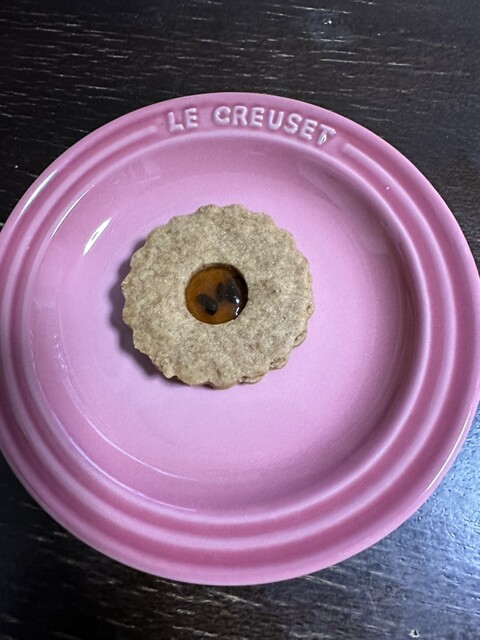
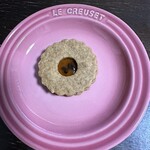
⑤ Passion Fruit Jam
There's a little jam in the center. But when you eat it, it has a great presence and adds a wonderful accent to the cookies.
So, it seems like I'm not good with anything other than cookies. But the cakes seem to be delicious, so I might challenge them next time. I wish they had an eat-in option!

kumano888
3.40
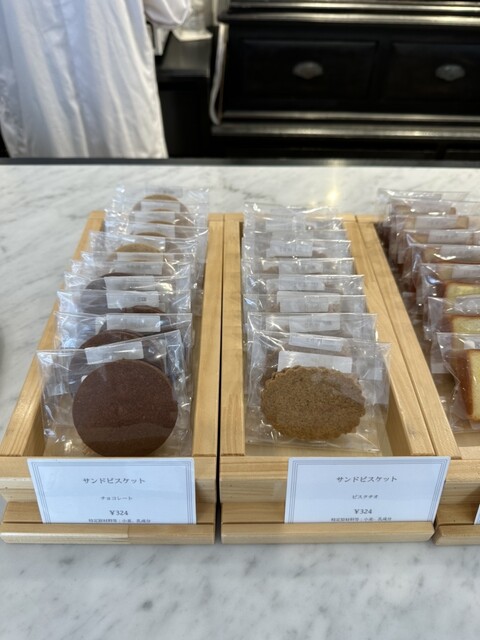
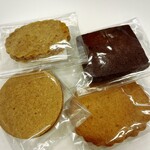
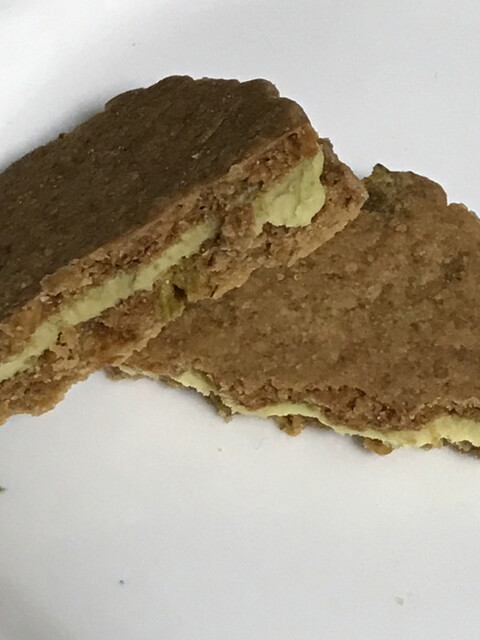
When I visited before, there were not many retail cookies, so this time I went early. Lately, pistachios are being used in various sweets, but there haven't been many hits. However, the pistachio sandwich here is quite a favorite with a crispy and well-balanced pistachio cream. However, the price is a little high.
shinn679
4.00
First visit. To be honest, I have no interest in baked goods other than financiers (lol). I came here this time to buy a gift for someone I am grateful for. I was looking for a souvenir and came across this place after reading reviews from followers. It has a long shelf life and a premium feel (lol).
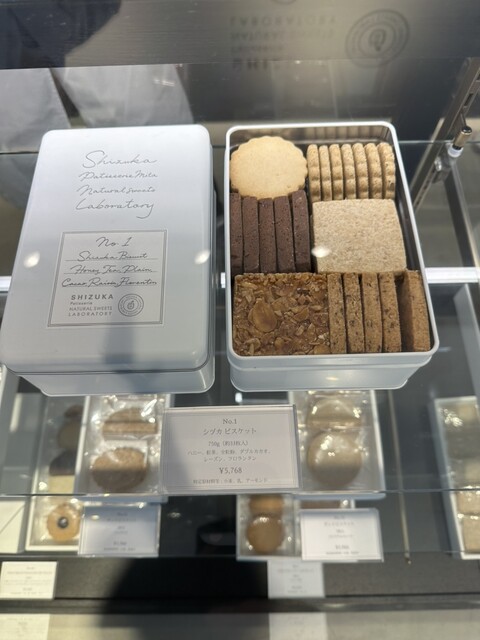
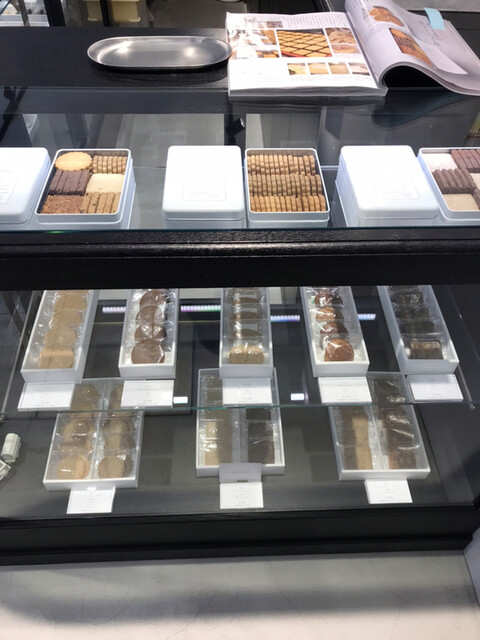
Access: The main store is apparently in Mita, but this is a branch in Ginza, behind the Ginza 4-chome intersection. I arrived on a Saturday afternoon and surprisingly there was no line outside, so I could easily get in. I thought I would have to wait like at "New York Caramel Sandwich" or "Noix de Vie" in Tokyo Station, so I was pleasantly surprised (lol). I had read in reviews beforehand that the popular cookie tin was always sold out and reservations were essential, so I had given up halfway, but I went inside. To my surprise, there were plenty of cookie tins left (lol). I heard that it's less popular in the summer. Inside the showcase, there were several assortments of various types of cookies. Not knowing what to buy, I purchased the recommended number one bestseller "NO1". But really, 6000 yen for cookies is quite expensive, I would never buy it for myself (lol). Since I had come all the way, I also bought several types of cookies that were sold separately.
Impressions:
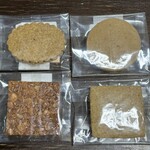
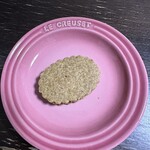
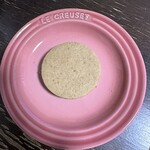
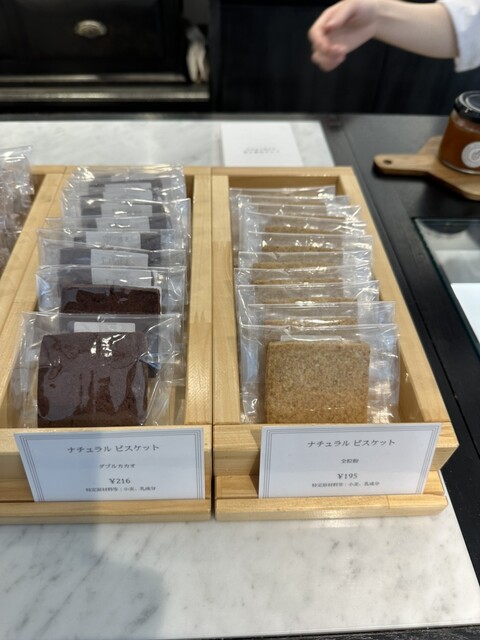
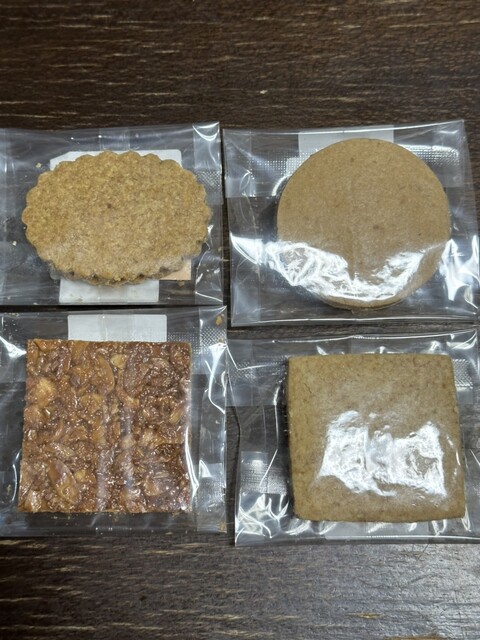
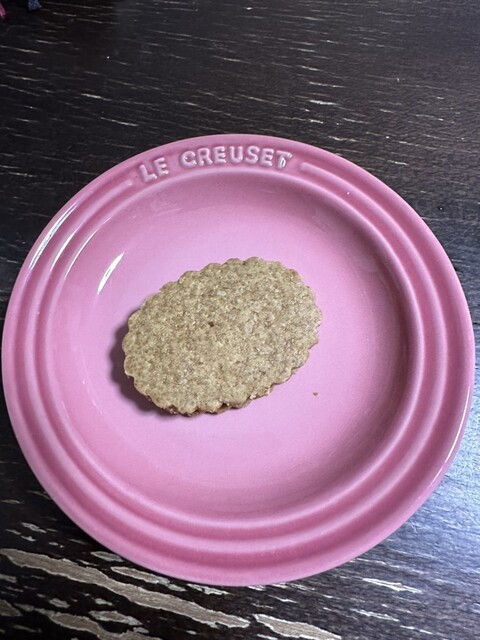
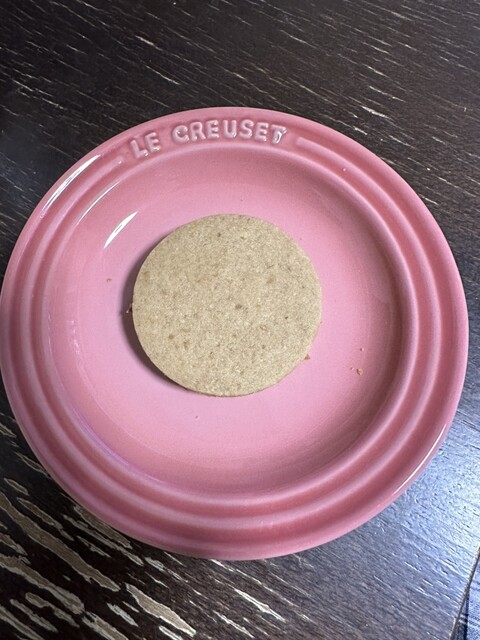
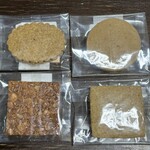
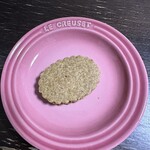
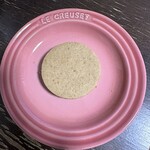
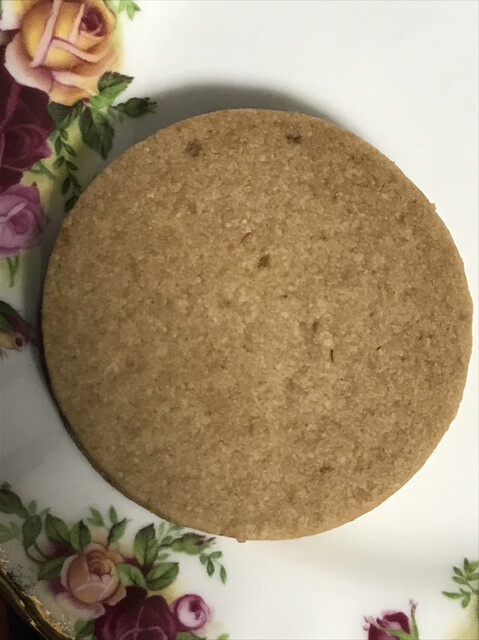
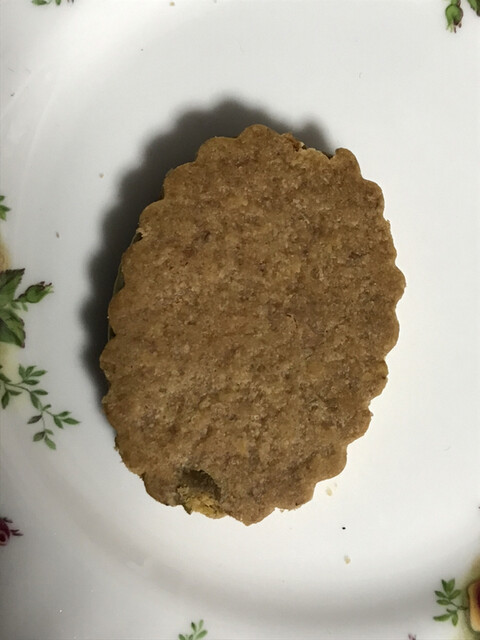
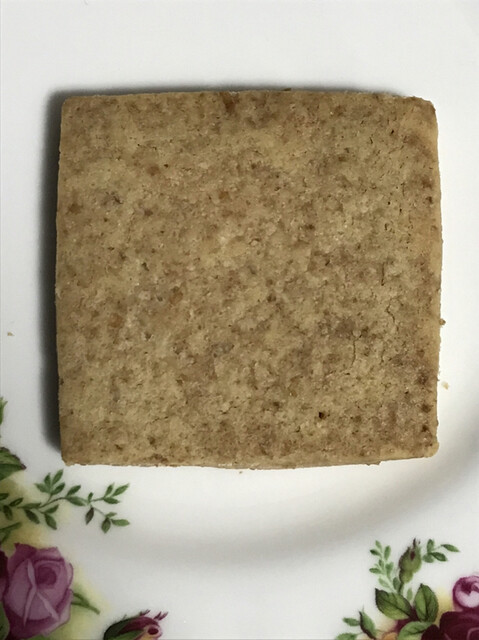
1. Whole Wheat Biscuit (180 yen) - I was struck by lightning when I took a bite without expecting much (lol). The wonderful flavor of the wheat, the balance of sweetness and saltiness. Simple but best is best!
2. Florentine Biscuit (300 yen) - I was struck by lightning again (lol). This is the best Florentine I've ever had, like the tea sweets that often come at the end of a French restaurant course. The buttery taste, saltiness, wonderful!
3. Pistachio Sandwich (300 yen) - I didn't really feel the pistachio flavor, but I was impressed by the crispness of the cookie itself.
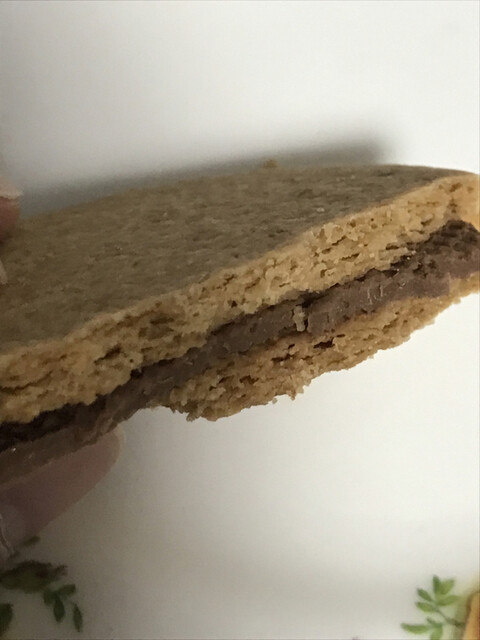
4. Milk Chocolate Sandwich (300 yen) - This was the only one that didn't impress me.
My preconceptions and concepts about baked goods were completely overturned by the deliciousness. It was a taste that made me regret how I had been eating tea sweets as a digestive battle. I will definitely come back to buy more (lol).

koz.32
3.50
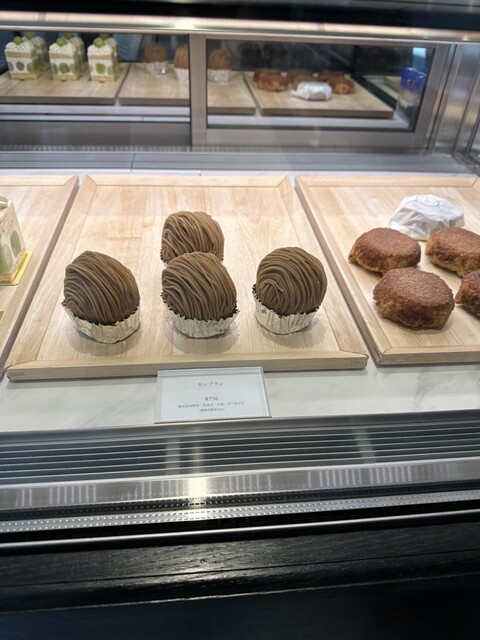
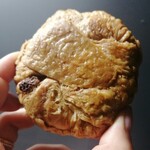
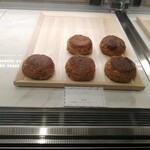
As usual, I took a leisurely stroll and ended up at Shizuka Confectionery. Despite it being past 2 PM on a Sunday, there was only one group of customers. I casually peeked inside and found 6 almond pies left. Since there was nothing else I wanted in the cookie tin, I was a bit disappointed, but I ended up buying the almond pies for ¥648. The staff advised me to eat them by the next day, so I ended up enjoying them the following day. The pies were still crispy and had a nice almond cream filling that was moist and fragrant. They were very delicious. There were no other cakes available, but I was satisfied with my lucky find. I would definitely purchase them again if I come across them on another lucky day.
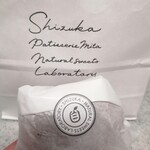

飲むシリアル
3.50
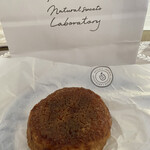
I visited around noon on a day off. There was one other customer already there. I bought an almond pie for home along with a cookie tin as a gift. I was torn between the Mont Blanc cake, but considering the travel time, I chose the pie for today. It cost 600 yen plus tax. When I cut it in half with a knife, it was just the right size for one person, a little small for adults. I enjoyed it with tea. The crispy pie and not too sweet almond were perfect for a snack. It apparently keeps well until the next day, so next time I will buy two. Thank you for the meal!

aradai
4.00
Souvenir No. 42 GgnzaBox for 3,305 yen. I received delicious cookies from a customer the other day, so this time I decided to imitate them and give them to a different customer. I arrived at the store after 5 PM and there were no other customers, so I was able to take my time choosing. The tightly packed tin was a bit expensive, so this time I chose the paper box assortment.

野良パンダム
3.50
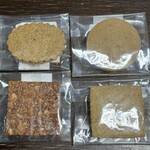
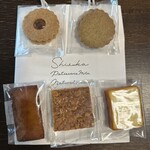
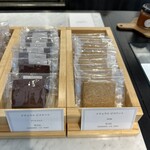
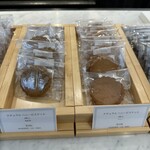
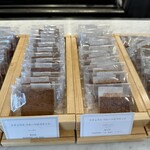
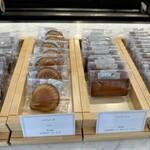
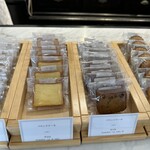
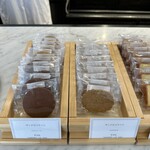
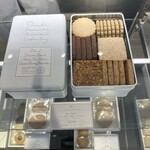
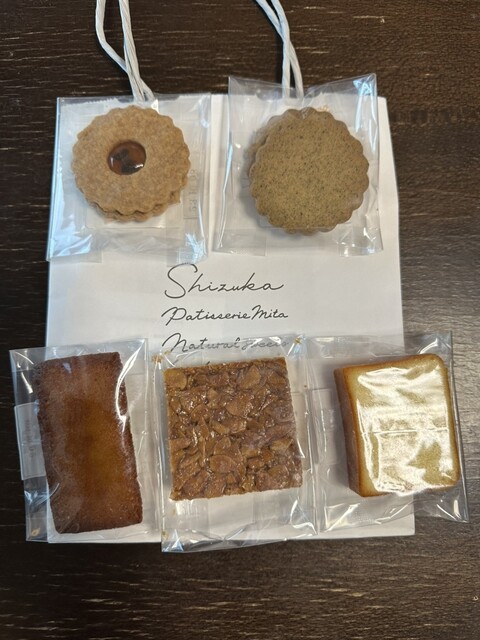
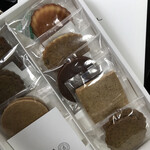
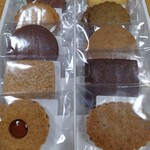
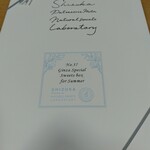
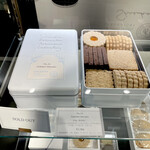
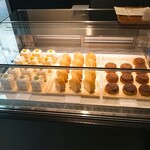
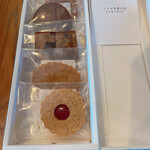
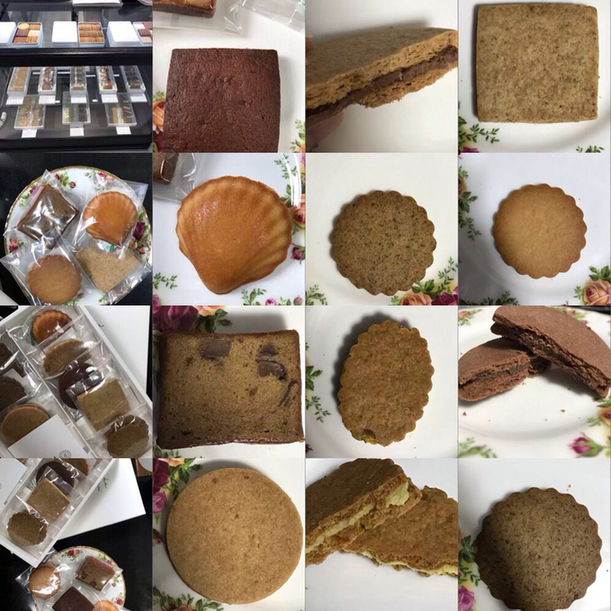
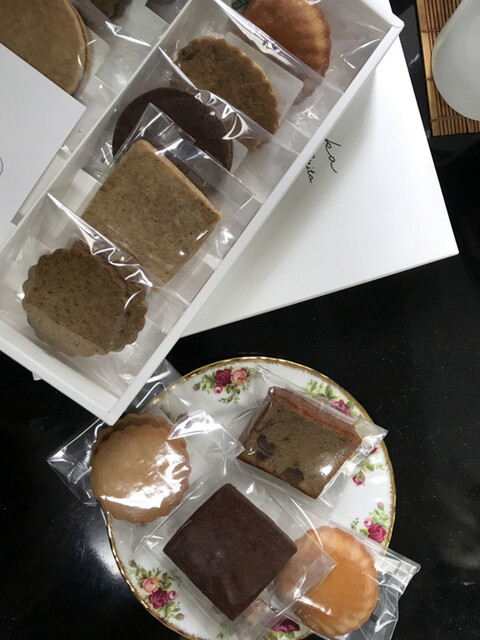
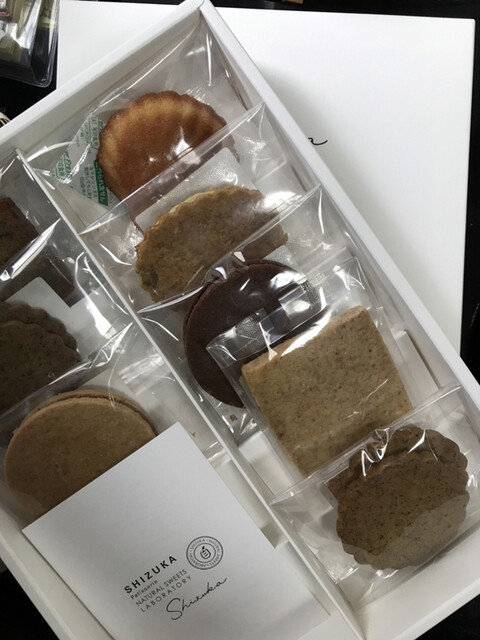
Revisited. GINZA SWEETS MARCH in Exit Melsa, a pastry sales booth. It is the Ginza branch of the same-named store in Mita. The signature cookie tin is so popular that it cannot be purchased without a reservation. I visited after having lunch in Ginza. I wanted to try the cream puffs again because they were delicious when I bought them at the Mita store before, but this time they were not selling fresh pastries. So, I thought of buying individual baked goods, but they were already sold out. The popular cookie tin was also sold out, of course. The only option left was to buy a box of assorted baked goods. No.57 Ginza BOX (3020 yen + tax) contains the same items as shown in the first image: madeleines, pound cake, honey biscuits, tea biscuits, chocolate sandwich, whole wheat biscuits, milk chocolate jam biscuits, passion fruit sandwich, and caramel sandwich, a set of 10 items. They are all individually wrapped, so the price is a bit high, but it may be convenient to carry them around separately. As for the taste, the biscuits are still delicious. The whole wheat biscuits with a crispy texture enhanced by salt, and the cocoa biscuits utilizing the expertise of a former Pierre Marcolini chef are truly remarkable. The biscuits with passion fruit jam and the caramel cream sandwich biscuits are also very good. On the other hand, the madeleines and pound cake are tasty, but there is no need to buy them here specifically. I think you will be more satisfied with buying the biscuits with the money spent on them. The sweets are delicious, but due to the location of Exit Melsa, there are a huge number of foreign tourists buying them, making it impossible to even buy what you want without a reservation. It has become a place where you can't just drop by casually.

maicocomo
3.70
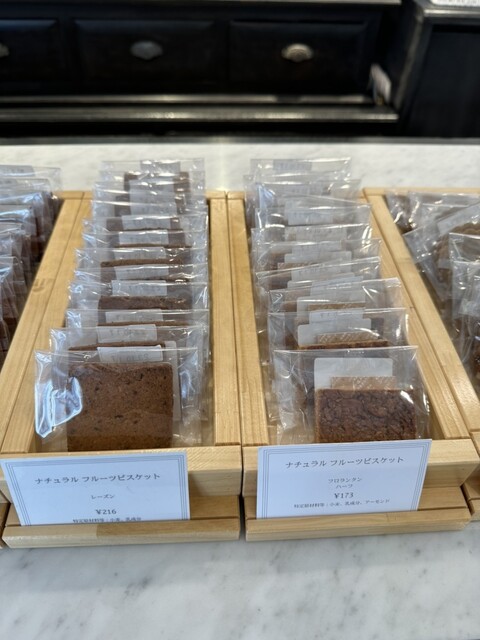
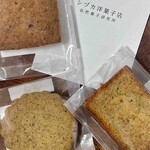
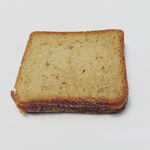
My friend from Tokyo gave me cookies and pound cake from Shizuka Confectionery. The banana pound cake had a gentle banana flavor and was moist. The Natural Honey Biscuits and Fruit Biscuits were both dense with a satisfying chewiness and a rich buttery sweetness. I would like to buy a cookie tin when I visit Tokyo someday.

urania_fl
4.00
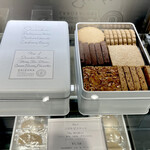
Purchased item: No. 1 Shizuka Biscuits (5,764 yen) It's so nice to have something this delicious that is additive-free. When I entered the store around 2pm on Sunday, many products were already sold out. They offer reservations, so I reserved the summer limited edition cookie tin that I couldn't get this time.

mader
0.00
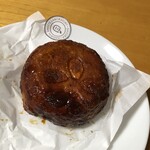
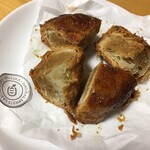
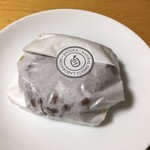
On August 4, 2023 (Friday), in the midst of a scorching heat, I finished my errands in Ginza and happened to pass by. I still had somewhere else to go, so I decided to buy just one almond pie to carry with me today. Unfortunately, I didn't feel the satisfaction that matched the price. I might visit again sometime later.

ワイン王子
4.40
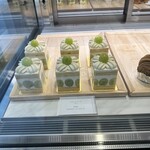
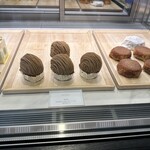
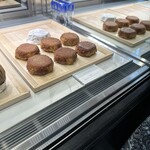
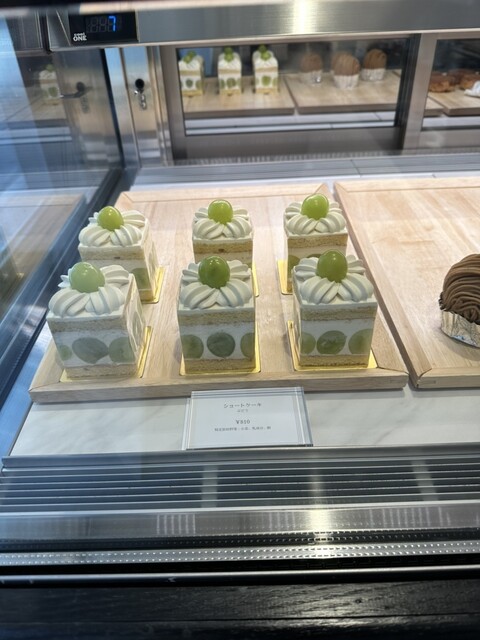
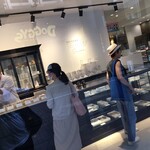
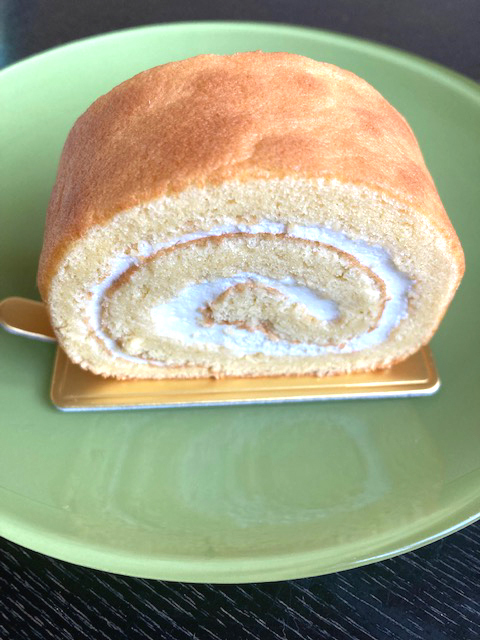
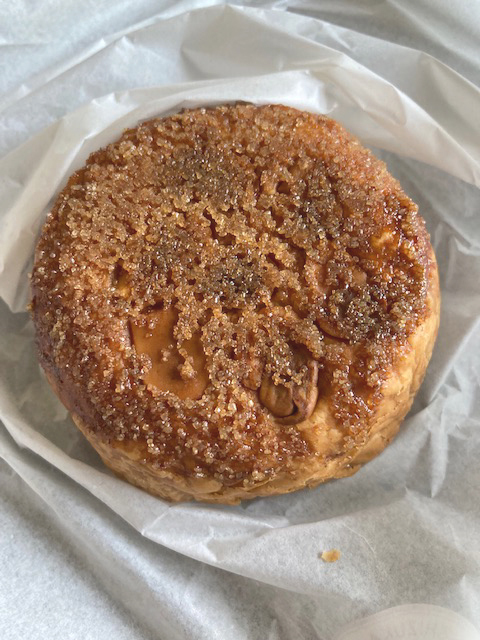
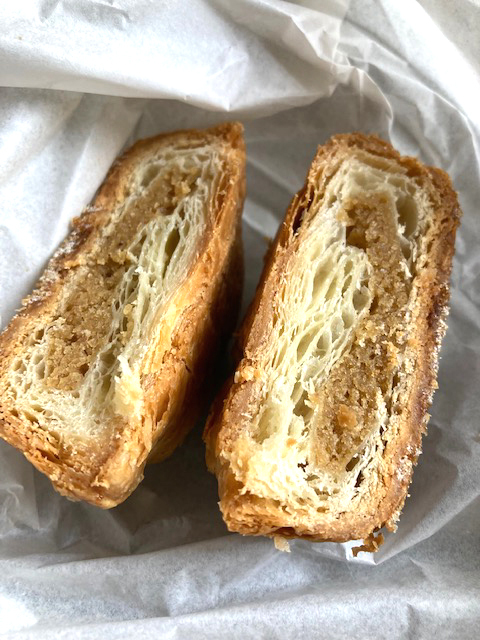
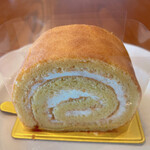
There are always three types of cakes available: shortcake, classic roll cake, and baked goods. The roll cake has a simple taste that allows you to feel the quality of the dough and cream, making it delicious. The almond pie has a crispy crust with a satisfying texture. The almond cream inside has a rich aroma and tastes great.

tabearuki.jp
4.00
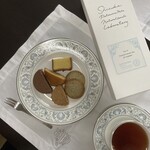
Amami Oshima's beautiful water and air, refreshing sea breeze, and sunlight pouring down in the midst of it all have created a passion fruit jam sandwich biscuit made with pesticide-free passion fruit. The biscuit has a rich aroma made from domestically grown rye and wheat germ grown on a magnificent land. It also contains a flavorful biscuit with organic almond praline from Italy. A fruit biscuit with five types of fruits - raisins, oranges, yuzu, apricots, and figs - that are fragrant with fruit. A set of lemon biscuits with a refreshing scent of Setouchi lemon zest. Purchase a limited edition biscuit tin for summer. You can feel the natural sweetness in these elegant biscuits.

mamma691
3.50
I arrived a little after 12 o'clock and found that two types of cookie tins were sold out. This time, I was drawn to the summer limited edition passion fruit sablé, so I purchased a set of 5 different baked goods. Each item was also available for individual sale. The cakes looked really delicious too, so I want to go back for a rematch. I shared them with someone and they were so delicious, I was completely satisfied.

どらりら
3.50
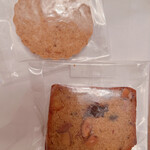
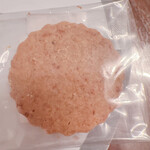
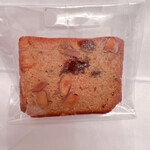
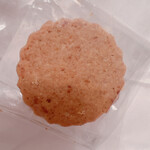
I happened to pass by a shop and was curious, but decided to keep walking. Just then, a woman coming from the front entered the shop excitedly saying, "Finally found it!" Intrigued, I decided to revisit the shop after finishing my errands. However, to my surprise, all the products were sold out! It turned out to be a shop selling trendy cookie tins. I thought I had missed the timing, but luckily they started selling two limited items separately. I quickly bought Hegel hazelnut cookies and pound cake. The pound cake was moist and delicious with plenty of ingredients, but the hazelnut cookies were particularly amazing! The simple taste of nuts and whole wheat flour, combined with the natural sweetness and the light, crispy texture, made it very flavorful. I can see why it's so popular. If you have something specific in mind, it's best to go early.

カズヤマ63895
3.70
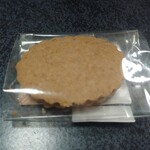
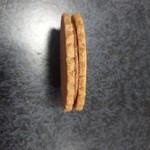
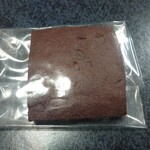
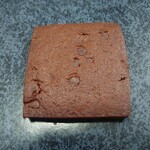
I have visited the "Shizuka Confectionery Natural Confectionery Research Institute Ginza 5-chome Store" in Ginza several times to buy souvenirs, and this time I visited to get some treats for home. I got the Sand Biscuit Hazelnut and Natural Biscuit Double Cocoa. Both cookies have a crunchy texture and a mild sweetness. They were incredibly delicious! I will definitely go back to try other cookies next time!

Schnitzel
3.30
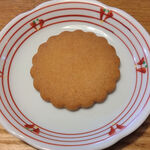
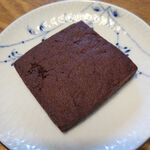
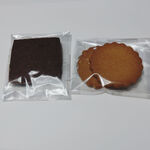
This is a pastry shop located on the first floor of EXIT MELSA in Ginza 5-chome. They specialize in baked goods made using ingredients harvested with minimal impact on the environment and through simple processes. The operating company, D's Red Co., aims to achieve the United Nations' SDGs through sweets. They prioritize a product lineup focused on baked goods to consider the working environment of pastry chefs and use domestically sourced ingredients to reduce CO2 emissions. Despite the eccentric image that may come to mind, the taste is gentle. I visited the shop after seeing it featured in a magazine I subscribe to. While the cookie tin featured in the magazine cost around 6,000 yen, I opted to buy individual cookies for the first time. I purchased the Natural Honey Biscuit, Natural Biscuit Double Cocoa, and Pound Cake Banana. These baked goods made with carefully selected ingredients like Nara Prefecture's hundred-flower honey, organic cacao from Sao Tome and Principe, and organic bananas from Mexico all had a simple and gentle taste. They seemed like baked goods that would be good for the body. The recent abnormal global climate change, also known as Earth Fever, is a major issue threatening humanity's survival with frequent natural disasters like wildfires and floods. Personally, I find it troubling that delicacies like nori from Ariake Sea, Bafun sea urchin from Rishiri Island, Pacific saury from Hokkaido and Sanriku waters, rice from Tanada terraced fields in Tokamachi, and black soybeans from Kurosaki may no longer be available. When considering sustainability, it would be better to address issues like food waste from events like Setsubun rolls or continuing to use plastic cups with paper straws. There is still much that can be done in the food and beverage industry.

クリスティアーノ・メッシ81311
3.80
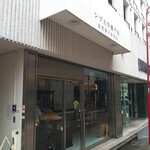
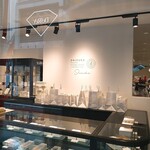
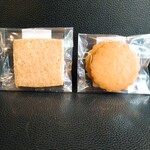
In April 2022, the second branch of "Shizuka Confectionery Natural Confectionery Research Institute" opened in Ginza 5-chome, Tokyo (EXITMELSA GINZA SWEETS MARCH 1F/along Suzuran Street in Ginza). The original store is a popular Western confectionery store located in Minato-ku. They use materials that are not using pesticides or chemical fertilizers as much as possible. It is a recommended shop for those who are conscious of what they eat. The store had a wait of 15 people at the time of visit.
[Natural Honey Biscuit 2 pieces] ¥238
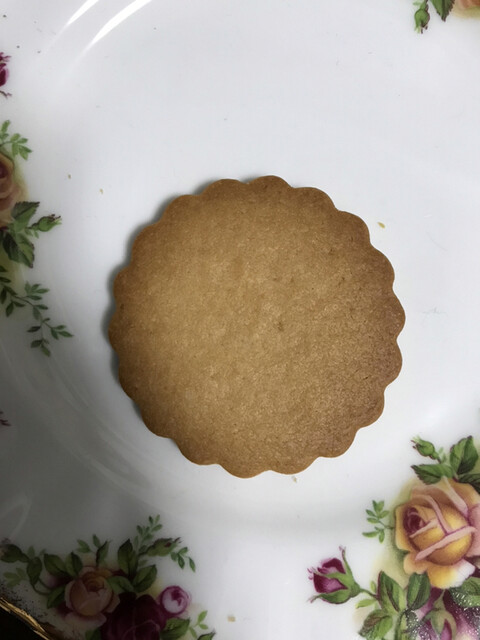
A gentle sweetness honey biscuit made with domestic honey, and a tea biscuit with a sweet aroma of organic tea. The crispy and slightly hard biscuits have a lingering taste.
[Natural Biscuit] ¥195
A simple biscuit made with whole wheat flour from Hokkaido and cane sugar from Kagoshima, and a combination of an adult biscuit made with domestic honey and organic cocoa powder, with chocolate chips made from organic cocoa from the Dominican Republic.

haraj600
3.50
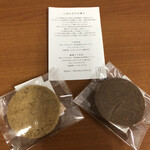
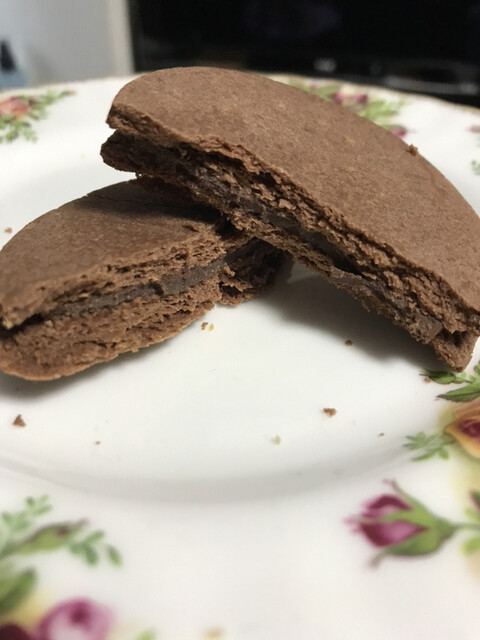
Title, of course it is. That's the feeling, right? This place is really popular, with only staff around in the evening, reminiscent of Oberon View. This time, I chose the chocolate sandwich, milk chocolate sandwich, and coconut chocolate sandwich that I couldn't buy last time! All three are super delicious! The cookies have a solid crispy texture but are not hard, and the chocolate sandwich has a good mouthfeel with a crumbly melt-in-your-mouth quality. The cookies are just right, not too sweet. These are cookies that you'll want to keep stocked in your home.
かずたいちょ
3.80
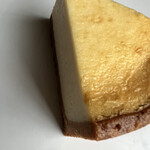
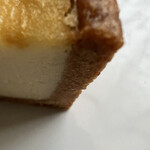
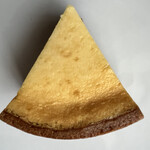
There was a fresh cake! Shopping in a relaxed mood! The day was made. <Tarte Fromage> A gentle, soft cheese cake. It has a flavor and aftertaste reminiscent of cookies and sablés. It's a dish that makes you want to savor it. I think it would go well with black tea or Japanese tea. I like to pair cakes with alcohol like wine, but this cheese cake is best enjoyed in a green environment with tea to detoxify from daily life. Thank you for the meal.

がまログ
3.60
I visited "Shizuka Confectionery" for home use and as a gift. Cookies are perfect for gifts. I bought a Swiss roll cake and cookies for home use. The sweets had an elegant feel of Ginza. They are perfect for souvenirs and gifts. I will visit again. Thank you for the meal. Visit date: 2023.05.28
Email Login