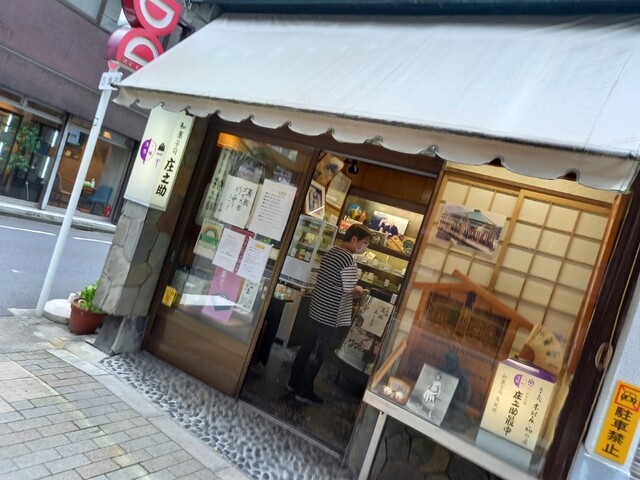
庄之助 神田須田町店
Shounosuke ◆ 庄之助神田須田町店
3.53
Kanda, Ochanomizu
「Japanese Sweets」
--
--
Opening hours: 9:30-17:30
Rest time: Saturdays, Sundays, and holidays Business hours and holidays are subject to change, so please check with the store before visiting.
東京都千代田区神田須田町1-8-5
Photos
(20)
Details
Reservation Info
can be reserved
Children
child-friendly
Payment Method
No credit cards
Electronic money is not accepted
Number of Seats
(Take-out only)
Private Dining Rooms
None
Smoking and Non-Smoking
No smoking at the table
Parking
None
Nearby coin-operated parking: 7 cars at 1-6 Kandasudacho, etc.
Facilities
Calm space
Dishes
Health and beauty menus available
Comments
(20)

campanerula
3.30
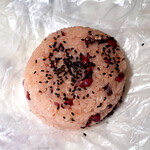
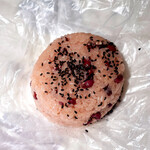
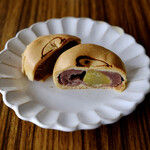
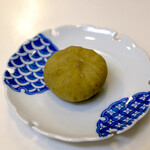
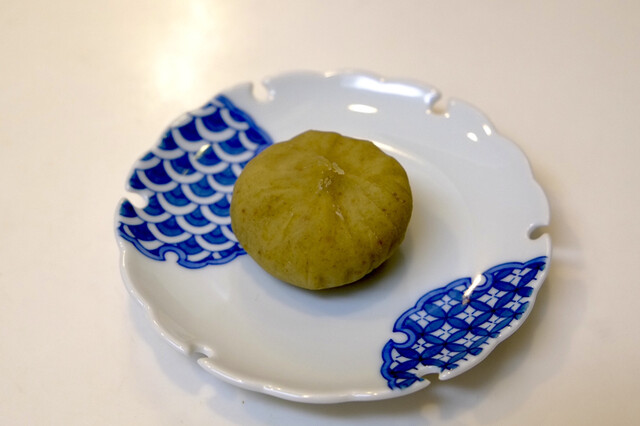
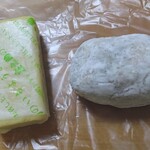
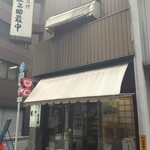
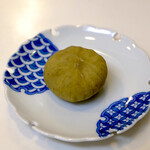
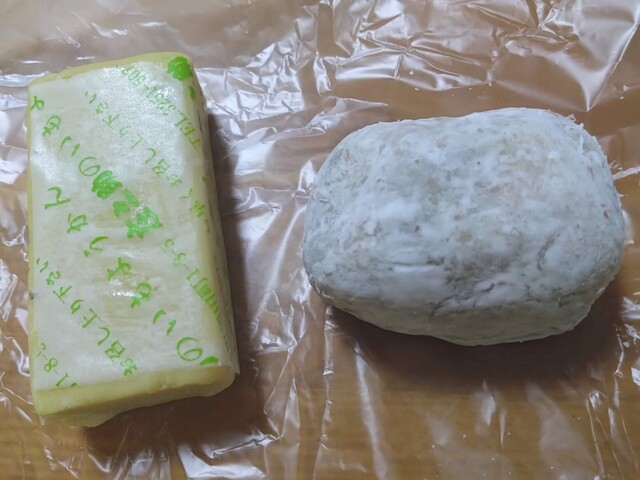
On my way back after having lunch, I felt like having something sweet, so I remembered this shop and decided to stop by. I was craving something sweet, and the first thing that came to mind was daifuku. I also bought my favorite sweet potato yokan. They had fresh wheat gluten dumplings, but they were made with nori seaweed instead of mugwort, so I decided not to buy them. Besides, I wouldn't be able to finish them all by myself anyway. Both items were small and easy to eat alone. The daifuku had black sesame mixed into the red bean paste, and it was delicious without being too overpowering with sesame flavor.

oyo35
3.40
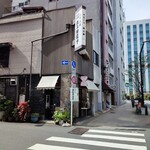
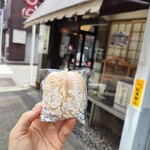
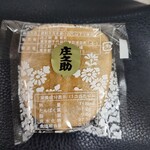
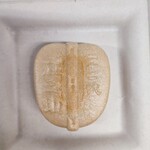
Around 2:00 PM, the red rice and sesame daifuku I came for were sold out (;_;) The inside of the daifuku costs 200 yen, and both the filling and the skin are handmade in the back workshop. It's not too sweet. Since they are flat, they look like they have a lot of volume, so they might make a good souvenir. (I think they said the expiration date is one week) The skin is moist, so it might be good for those who like moist textures. It seems like you can make a reservation for the red rice, so I'd like to try it if I have the chance.

Silvers Rayleigh
3.50
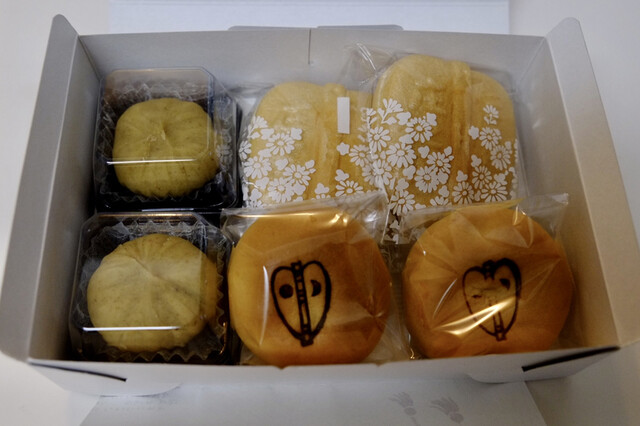
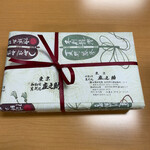
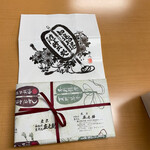
I visited the famous Shonosuke in Kanda on a weekday morning. They have a wide variety of products, but I decided to purchase a set of sweets centered around manju for 3000 yen. While making my purchase, I tried a sample of sweet potato yokan. It had just the right amount of sweetness and was delicious. I will definitely buy it next time. I had a great shopping experience.

flamboyan
4.00
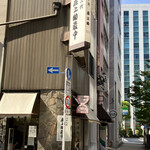
It's been a long time since I visited this place. As usual, there were customers inside, so I waited outside. After sanitizing my hands, I entered the store to look at the items. I found the "Manpuku" that I was looking for! They also had "Gunbai Manju"! I expressed that I wanted two of each, and the staff immediately started preparing the packaging. They placed a paper resembling a scroll on top of the wrapping paper, followed by a plastic sheet. A staff member wearing plastic gloves took out the Manpuku from the box and sprinkled salt and black sesame on top. Their movements were smooth and impressive. They wrapped it beautifully, put it in a paper bag, and sealed it with an expiration date sticker. Both the Manpuku and Gunbai Manju were exceptional, showcasing the high quality of the ingredients. I will definitely visit again.
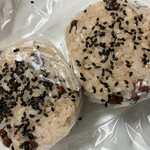
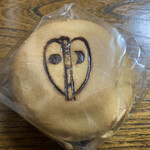

粒あん♡
4.00
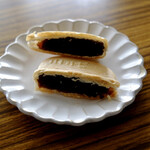
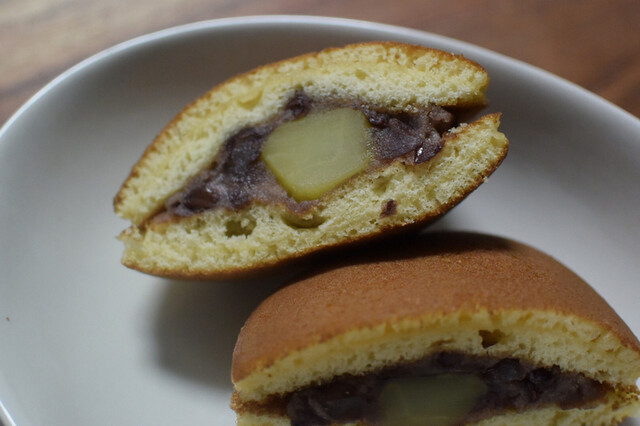
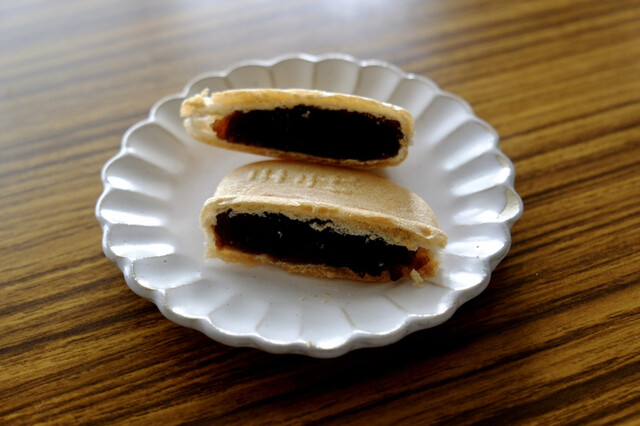
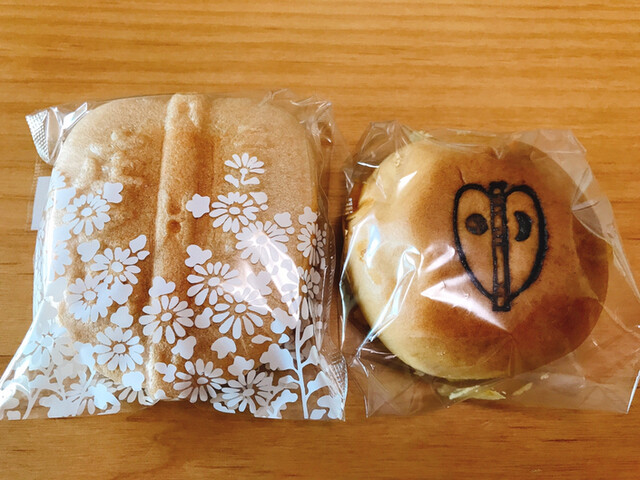
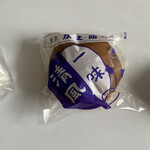
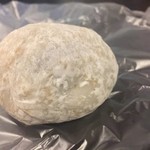
Sesame seeds are kneaded into the mochi of the sesame daifuku. The mochi is soft and fluffy, with a crunchy texture and a fragrant sesame flavor. The sweet bean paste is subtly sweet with a hint of bean flavor, creating an elegant sweetness. The combination of the bean paste and sesame-flavored mochi complement each other, making it delicious. The kintsuba has a subtly sweet and moist texture with a delicious taste of sweet red beans, although the skin was a bit dry. The dorayaki contains large chestnuts and has a moist and fluffy skin. The skin has a strong taste of mirin, making it a bit too sweet and heavy for my liking. I would like to visit this shop again for their delicious bean paste and mochi, especially for the sesame daifuku.
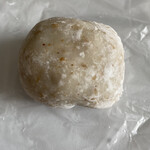
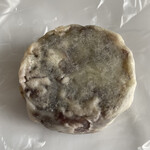

出挙
5.00
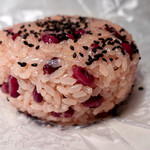
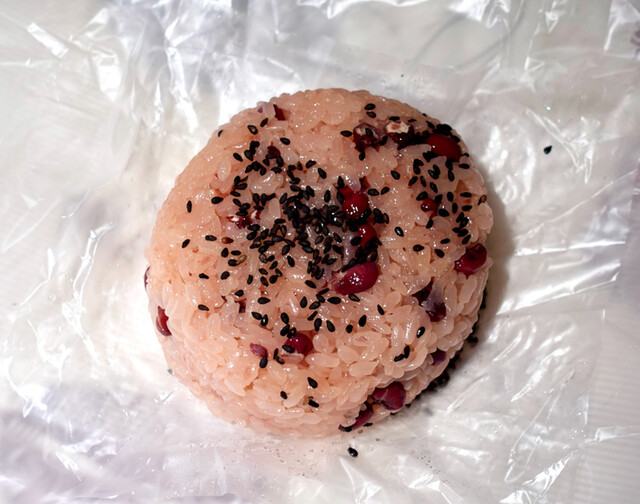
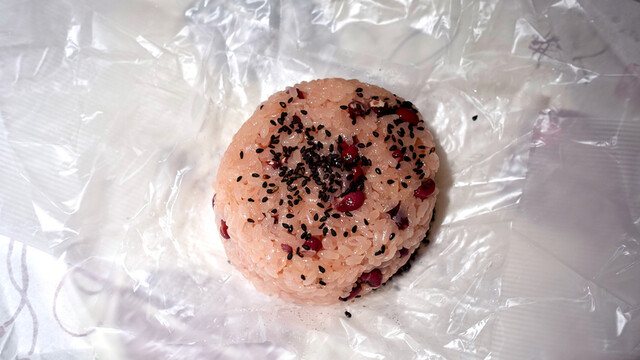
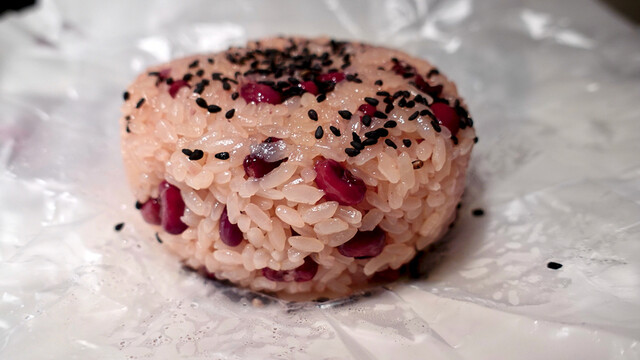
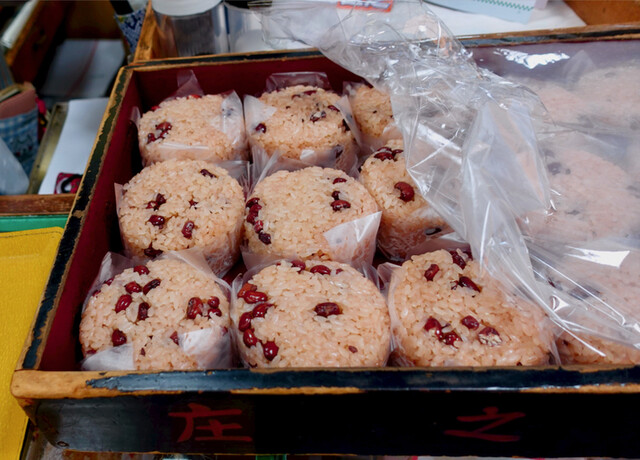
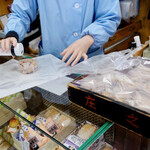
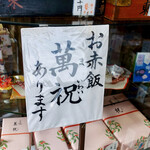
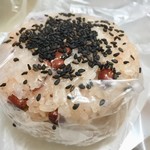
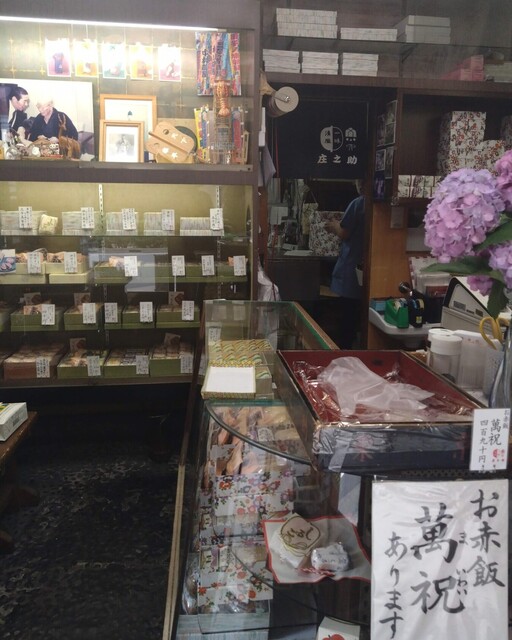
Shonosuke Main at Otemachi Dori (Kanda Sudacho 1-chome) - I love red rice, and after being amazed by the deliciousness of it last time, I couldn't forget the celebration Manju of Shonosuke Main, so I went back again. The fluffy texture and the perfectly cooked mixed rice is unique to a traditional Japanese confectionery. The sesame salt they sprinkle on top each time is a nice touch. This time, I discovered they have pudding too. I'll definitely try it next time!

イチゴ☆
3.80
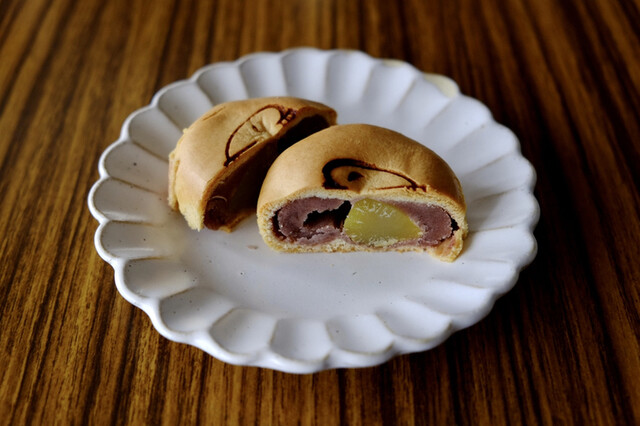
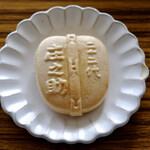
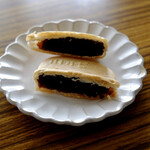
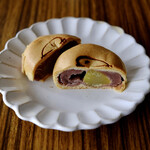
On the way back from Eiga Milk Hall, I came across a Japanese confectionery shop that caught my eye. I decided to go in and buy some treats before heading home. The staff member was very nice and provided excellent service, which made me happy. I purchased Shonosuke Senbei, Chestnut-filled Gunka Manju, and Autumn Chestnut, two of each. The Shonosuke Senbei had a moist filling and a crispy exterior, and they were cute and delicious. The Chestnut-filled Gunka Manju had a moist skin with chestnut-filled sweet bean paste, and the sweetness was just right and tasty. The Autumn Chestnut was chestnut paste, which I love. The sweetness of the chestnut was just right and delicious. Thank you for the meal. It's also perfect as a souvenir. Shonosuke Senbei ¥190, Chestnut-filled Gunka Manju ¥190, Autumn Chestnut ¥320.

mozart86
4.00
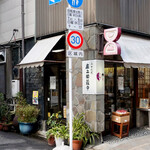
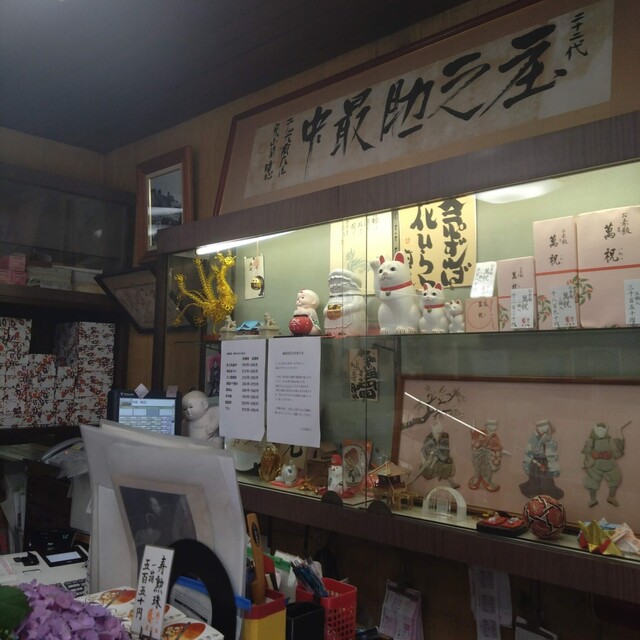
The grandpa who used to be a sumo referee runs a traditional Japanese sweets shop. The store near Kanda Station has closed down, but this one opened first. There are also branches in Kiyosumi-Shirakawa and Monzen-Nakacho. You can see photos of former sumo champion Tochinonada from his active days on the outside of the shop. Being a sumo champion from Edo, he is popular among old sumo fans in Tokyo. The grandpa, who used to be a referee, was born in Kagawa Prefecture but raised in Osaka, where he joined the sumo association as an apprentice at the age of 8. The Japanese sweets are generous in size, lacking a bit in delicacy, but still delicious. The recommended treats are the "Gyoji-naka" and the chestnut bun. They have fancy names, but the flat red rice ball sushi is a standout feature of this shop. Although not as fancy as high-end Western confectionery shops, their homemade pudding has a simple and enjoyable taste. The "Imo Kintsuba," however, has a slightly questionable milky oily taste for a Japanese sweet. This shop in Kanda is closely tied to the sumo association, and it's great to have branches in Kiyosumi-Shirakawa and Monzen-Nakacho.
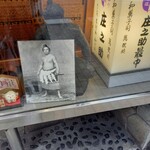
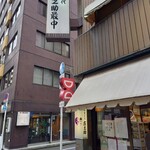
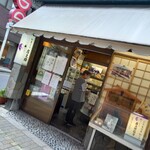
出挙
5.00
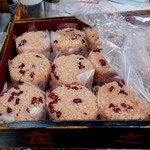
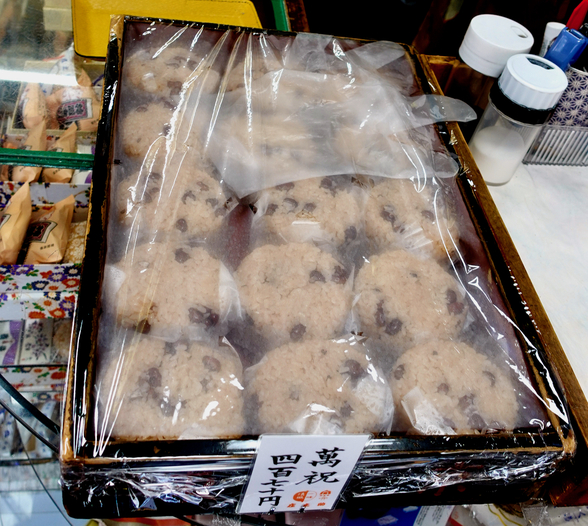
Zonosuke at Ochiai-dori (Kanda Sudacho 1-chome) - The Best Breakfast. I have known about this place since I was a child, but I had never peeked inside. A senior I respect told me about it, and I finally visited. In the past, each neighborhood had a traditional Japanese sweets shop that also sold items like inari-zushi and red rice. This tradition is still alive here. The red rice, called "Maiwai," was steaming hot in the morning and I was thrilled. After ordering, the lady sprinkled black sesame seeds and salt on it. It was a generous portion, easily filling a man's rice bowl. The fluffy texture and perfect steaming of the rice were truly remarkable. I love red rice, and this was delicious. I can't believe such amazing food was so close by all this time. I will make up for the sixty years of missing out by eating plenty from now on!

okubic
3.80
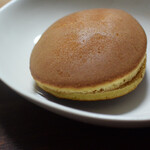
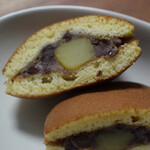
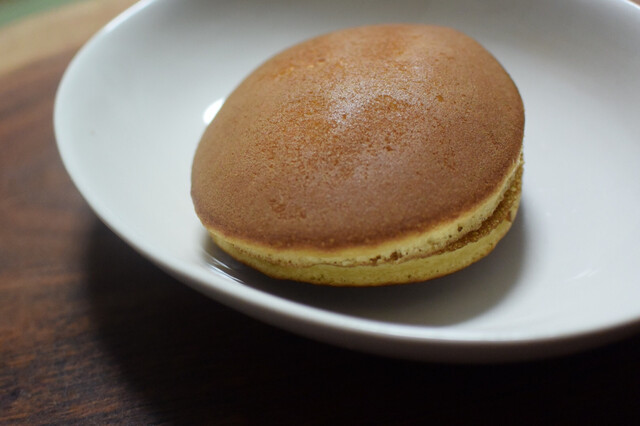
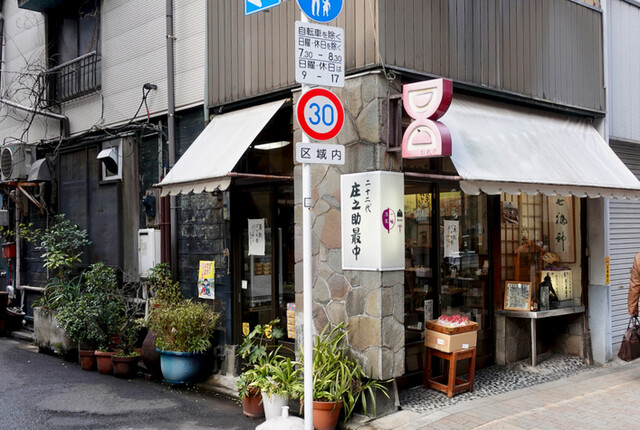
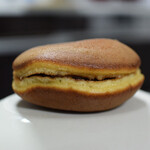
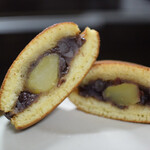
I found a shop and when I entered, it had a traditional Japanese confectionery shop atmosphere that exuded a sense of history. There were many other things I wanted to buy, but this time I focused on the "dorayaki" - specifically the chestnut-filled dorayaki! It had a luxurious whole chestnut in the center, which added a strong presence. The moist skin, sweet bean paste, and chestnut worked together perfectly, with the chestnut balancing out the sweetness of the bean paste. I found it to be an exquisite balance when I ate them all together. For some reason, I ended up dismantling the remaining half and eating the chestnut last... haha. It's been a while since I've had something with chestnuts or sweet bean paste, so it felt very fresh. I hope these long-standing traditional shops continue for a long time. Thank you for the meal.

食楽旅
3.20
After returning from lunch, I decided to buy some souvenirs here. The previous customer, a salaryman, was ordering a large quantity of dorayaki and monaka for gifts. Since this shop is related to the 22nd generation Shozo no Suke, it could make for an interesting souvenir story. I only bought dorayaki as a souvenir. The dorayaki was slightly cold, perhaps it had been in the refrigerator. This made the red bean paste inside a bit firm and cold, giving the traditional Japanese sweet a slightly odd texture. There were also chestnuts inside, which were also cold and didn't taste as good as they should have. It would have been better if I had warmed them up a bit before eating.
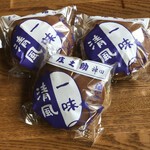

壱期壱会
3.00
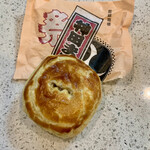
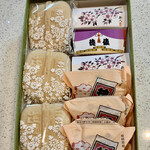
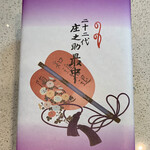
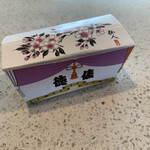
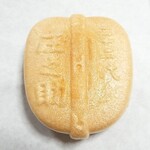
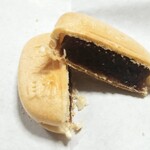
I received a souvenir from Tokyo. It is from a long-established Japanese confectionery shop in Kanda famous for Shonosuke Senbei.
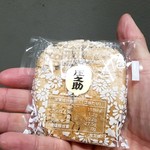
- Shonosuke Senbei: A senbei in the shape of a military fan, with a firm red bean paste inside.
- Kanda Matsuri: A pie pastry with a hint of butter flavor filled with red bean paste.
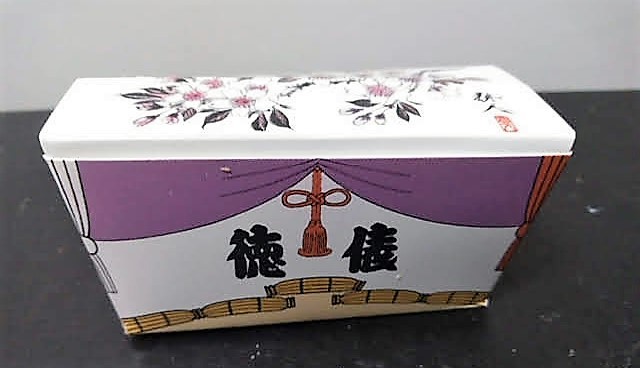
- Tokubari: A firm pastry with a strong sweetness of apricot-flavored red bean paste inside.

ミニ苺パフェ
3.50
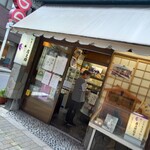
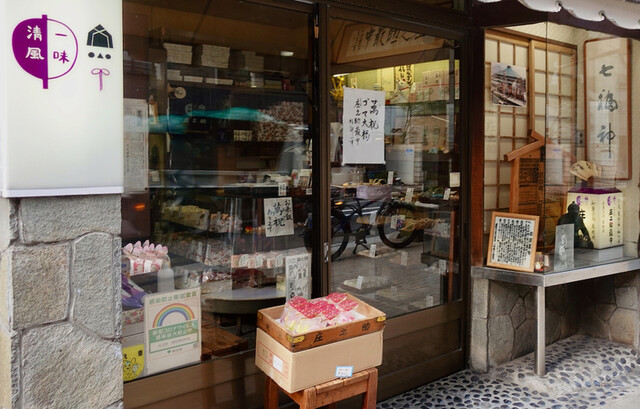
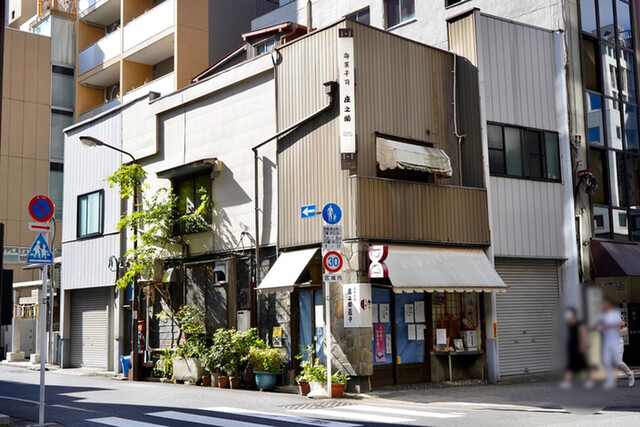
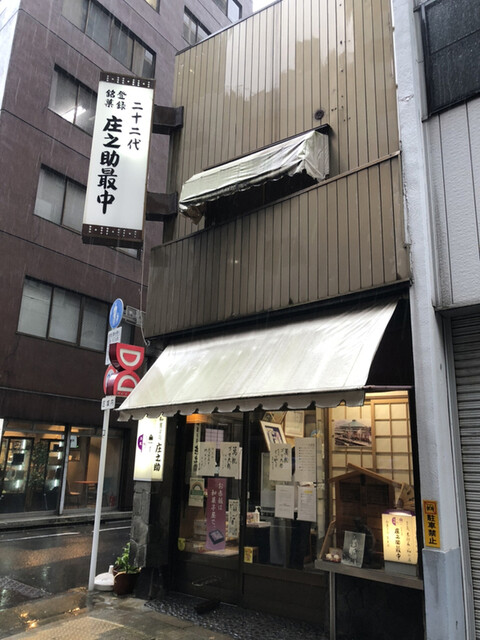
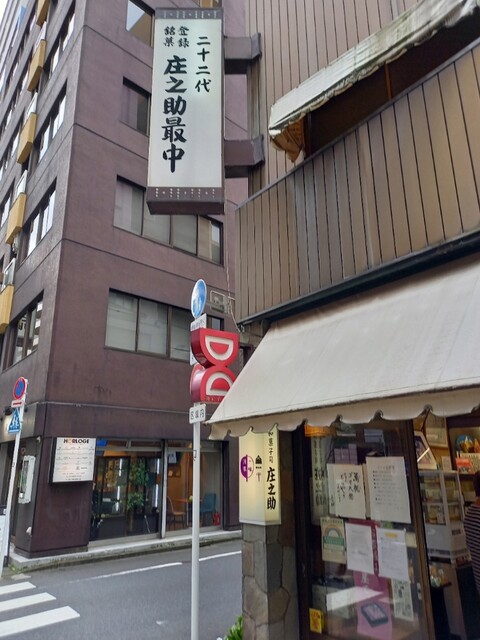
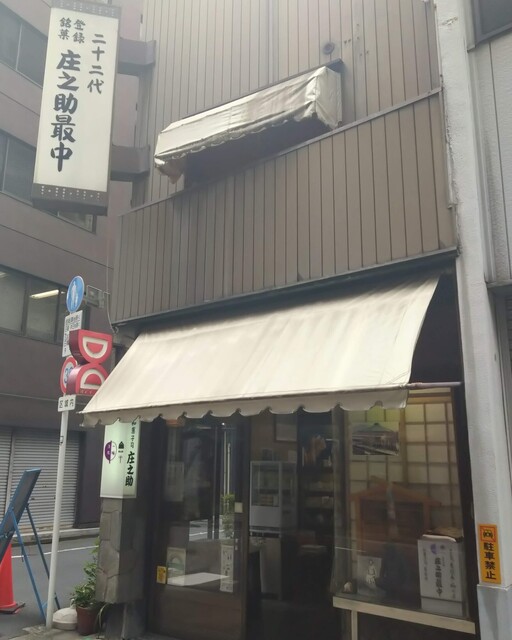
Next to Tonkatsu Yamaichi is this place. The store has a very old-fashioned feel which made it very welcoming, so I decided to go in. There were two customers already inside. It seems like a popular spot loved by the locals. I bought four Tsubuan Goma Daifuku for 160 yen. The skin of these daifuku has white sesame bean paste kneaded into it, making it a unique kind of skin. I've never had daifuku like this before. It's interesting. You have to eat it the same day or it will get hard, so I ate it late at night just in time (laughs). Next time, I want to try their manju.

トントンマン
3.20
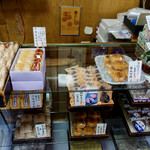
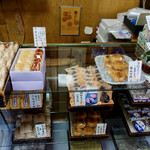
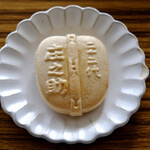
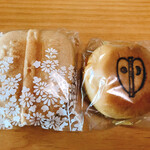
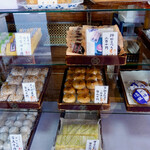
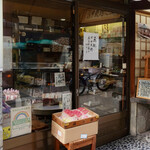
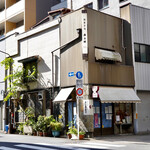
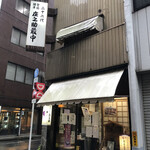
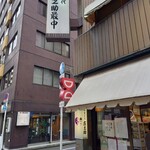
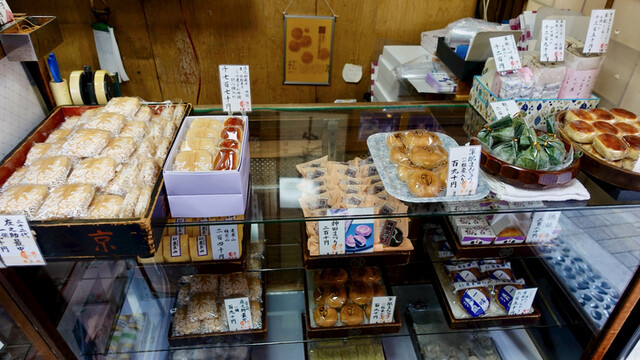
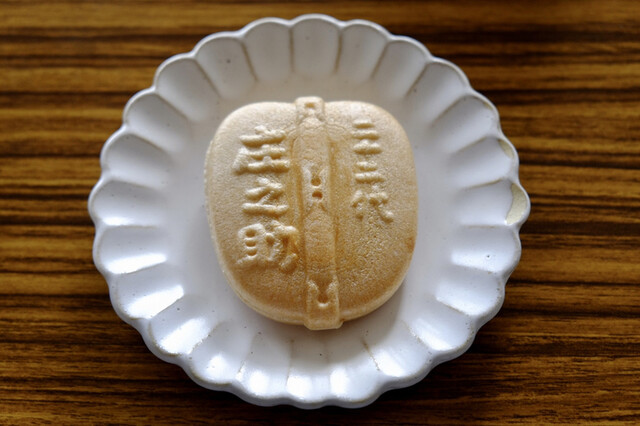
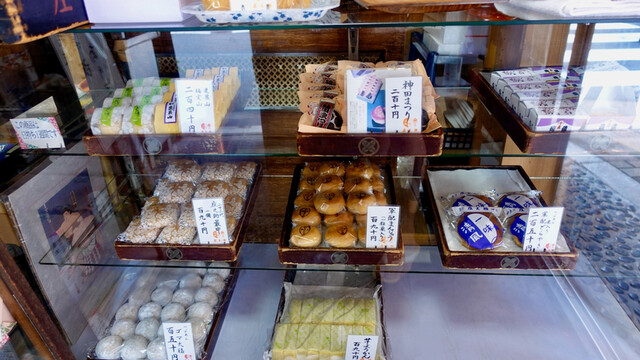
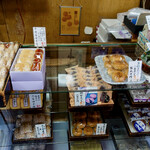
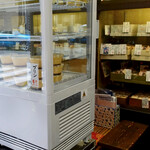
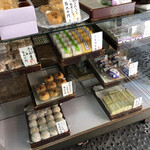
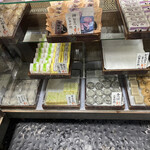
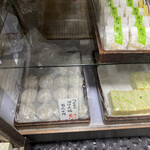
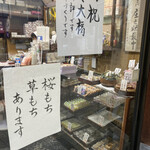
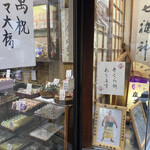
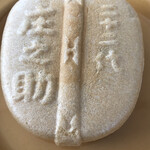
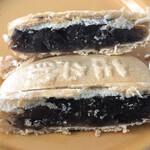
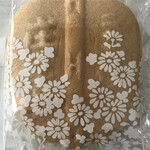
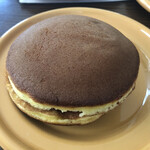
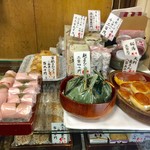
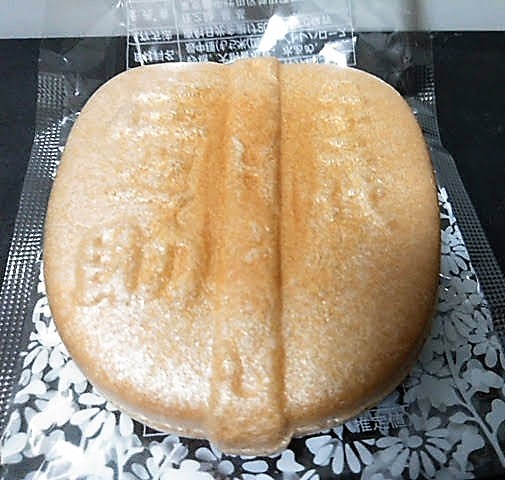
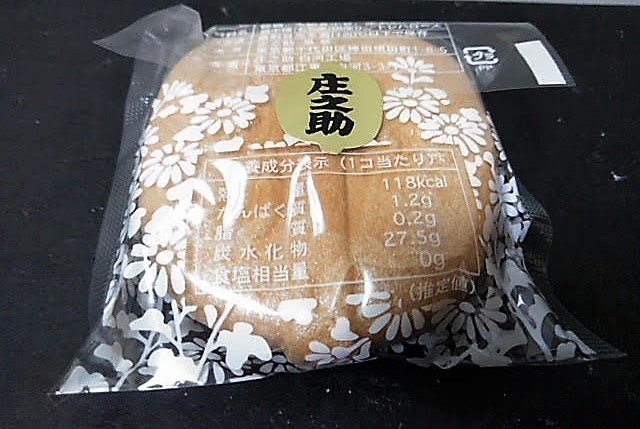
I can say without exaggeration that I was a sumo boy during my elementary school days. Starting around the 4th grade, my friends and I would wrestle sumo matches, and I would even use the shikona (ring name) of my favorite wrestler at the time, the ozeki Kiyonohana. I loved watching professional sumo matches, and I even had the opportunity to be invited to the masuseki (box seats) a few times by my uncle, who was an executive at a certain large company. I still vividly remember the taste of the edamame I ate there, as well as the sumo wrestler-shaped chocolates and anmitsu (sweet red bean jelly) souvenirs that I always looked forward to. I also remember watching a sumo match where the legendary yokozuna Taiho lost to the tough opponent Akinoshima. I was also interested in the gyoji (referees), and I would remember the unique way each gyoji would call out and signal during matches. One gyoji that stood out to me was Kimura Shonosuke, who, alongside Shikimori Inosuke, was one of the top-ranking gyoji responsible for officiating the final match of the day. In my mind, Shikimori Inosuke would officiate the matches involving ozeki wrestlers, while Kimura Shonosuke would officiate the matches involving yokozuna wrestlers. This impression may not be entirely accurate as it depended on the lineup of yokozuna and ozeki wrestlers at the time, but it wasn't a major mistake either. Our restaurant is named after and has a connection to Kimura Shonosuke. This is because the founder of our restaurant, Mr. Izumi, is the son of the 22nd Kimura Shonosuke, Mr. Izumi. The restaurant was established in 1949 when Mr. Izumi, a young man at the age of 59, was still an active Kimura Shonosuke. Mr. Izumi formally learned the art of making traditional Japanese sweets at a certain confectionery in the downtown area after 8 months of apprenticeship and then went on to establish a confectionery shop at a house in Sudamachi. This happened in September 1949. The shop was originally named "Izumiya" but was later changed to "Shonosuke" following the retirement of Kimura Shonosuke. They introduced a type of "Shonosuke Monaka" shaped like a gumbai (sumo referee's war fan) to commemorate his retirement, which became a huge success due to the popularity of sumo wrestling at the time (during the peak of Tochinishiki's career), and it remains a signature product of the shop. The current owner, Mr. Moto, who is the grandson of the 22nd Kimura Shonosuke, is now steering the business, and the variety of traditional Japanese sweets under the Shonosuke brand has expanded. The restaurant has three locations in addition to the original store, including the Kanda Station North Exit store and the Fukagawa Shirakawa store. The Kanda-Akihabara area is home to many other long-established traditional Japanese sweet shops like "Matsuya" established in 1769, "Kanda Sannondo" established in 1922, and the sweet shop "Takemura," but our restaurant has managed to maintain its position among them. On this day, after having lunch at "Aromas of India" in Awajicho, we decided to spend our post-lunch coffee time at "Mamekobo Kanda Nishicho Store" in the Ogawamachi area before heading back to the restaurant. We crossed the outer moat street at the Tsukasamachi 2-chome intersection, turned left at the Tamachi 2-chome intersection, and continued straight on Tamachi Dori. On the left-hand side, we saw the sign of the long-established "Sakae Milk Hall," and somehow managed to capture both that sign and the sign of our restaurant in one photo. The third photo from the end shows this, with an arrow pointing to the characters of our restaurant's sign, although my camera's capabilities may not make them clear, so please understand (laughs). We visited the restaurant around 12:30 pm. Upon entering, we saw products displayed in the showcase immediately to the right and further back in the old-fashioned atmosphere of the restaurant. After a quick look, we selected items that seemed to showcase the uniqueness of the restaurant. In the end, we purchased the following three items: - Shonosuke Monaka @190 yen x 2 pieces - Handmade Gumbai Chestnut Dorayaki @270 yen x 2 pieces - Tsubuan Sesame Daifuku @160 yen x 2 pieces The total came to 1,240 yen, which is quite expensive. Especially the dorayaki at 270 yen each seemed a bit much. We took them home and enjoyed them as our afternoon snack. First, the famous Shonosuke Monaka has the characters of the 22nd Kimura Shonosuke engraved on the surface. The red bean filling is quite...

無芸小食
3.00
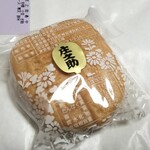
A prominent reviewer from Tottori was invited to a meetup in Tokyo, so I decided to prepare a souvenir for them. Since they are a respected reviewer, I chose a snack with a rating of 3.5 or higher on Tabelog. I opted for the 22nd generation Shonosuke Senbei, a snack with a long history. I visited the store on Saturday, as they are closed on Sundays. The snack I purchased is the 22nd generation Shonosuke Senbei, which has a rich history dating back to a man who reached the highest rank in the industry after 62 years of dedication. The taste of the senbei was simply delicious when I tried it at home.

Kimitake
3.50
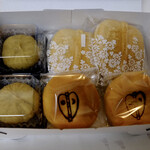
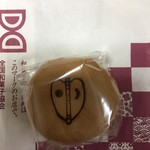
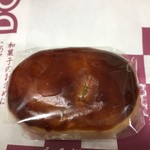
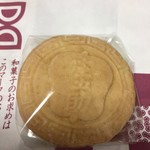
According to the website, the descendants of Kimura Shonosuke (a sumo referee) are running the restaurant. I visited for the first time just before 7 o'clock when it started raining. I happened to pass by and decided to go in because it looked charming. I bought milk-filled manju (150 yen including tax), mini chestnut manju (210 yen), and two manju with a design of a military fan (190 yen each) to take home. They were quite delicious.

tora0125jp
3.30
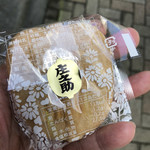
On the way back from having lunch in the neighborhood, I happened to be curious and decided to stop by this place. They had a variety of items, but as a fan of sweet bean paste, I couldn't resist trying their signature dish, the monaka. I couldn't resist, so I just got one to share. The skin was pleasantly soft, and the bean paste was not too sweet, making it easy to eat. I don't usually have monaka, but I really enjoyed this one.

letsgoswallows
3.10
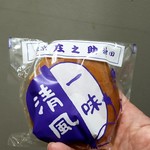
I visited this long-established store known for its famous mochi. The highlight for me was the smooth red bean paste. I tried their dorayaki with chestnut filling, and although the chestnuts were small, the red bean paste was generously sweet and left a lasting impression. Their famous mochi also had a thin outer layer with a generous amount of red bean paste inside. While the red bean paste itself wasn't heavy, the ratio of paste to outer layer made it quite memorable. I believe this is a great traditional Japanese sweet for those who enjoy smooth red bean paste.

910ta693
3.50
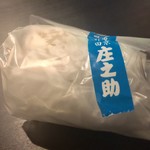
After exploring the Kanda area for lunch and enjoying ramen at Gonokami Suisan, I visited this place for a second meal. <Order> Red rice (200g) for 470 yen, Shonosuke Senbei for 190 yen, and sesame daifuku for 170 yen. The red rice was delicious! It tends to sell out by late morning sometimes! The sesame daifuku was also delicious with a good balance of sweetness and texture. Thank you for the meal.

nesta13
3.50
Here in Awajicho, there is a vacant space where the 22nd generation of Kimura Shonosuke's traditional Japanese confectionery shop used to be. Amidst the sumo wrestling atmosphere, there are dorayaki with a cute design of a war fan, filled with sweet chestnut paste. The kin-tsuba and daifuku are irresistibly delicious as well. And let's not forget the "Man-shuku" red rice, which was also used in the wedding of Prince Akishino. It's so delicious and elegant. You can buy all these sumo-themed traditional Japanese sweets at the Kokugikan too. This basho may be the last chance for the popular Yokozuna Kisenosato to make a decision on his career. We also received a banzuke (sumo ranking chart) as a souvenir to commemorate the last tournament of the Heisei era.
Email Login