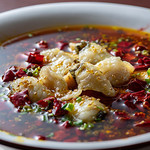
錦秀菜館
Kinshuusaikan
3.37
Jinbocho, Suidobashi
「Sichuan Cuisine」
2,000-2,999円
--
Opening hours: Lunch 10:30-15:00 Dinner 17:00-23:30 (L.O.22:30) Open Sunday
Rest time: Saturdays and Sundays
東京都千代田区神田神保町1-37-4 友田三和ビル 1F
Photos
(20)
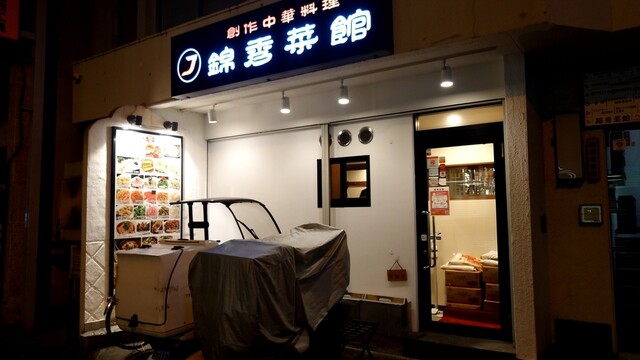
Details
Reservation Info
can be reserved
Payment Method
Credit cards accepted
(VISA, Master, JCB, AMEX, Diners)
Electronic money is not accepted
QR code payment accepted
(PayPay, d-payment, Rakuten Pay, au PAY)
Number of Seats
80 seats
Private Dining Rooms
Yes
(8 persons available, 10-20 persons available)
Completely private room
Smoking and Non-Smoking
Smoking is permitted in all areas during dinner time (please consult with us in advance if you wish to sit in a non-smoking area). Smoking is not permitted during lunch time except in some private rooms. The Law Concerning Measures Against Passive Smoking (Revised Health Promotion Law) has been in effect since April 1, 2020. Please check with the restaurant before visiting, as it may differ from the latest information.
Parking
None
Coin-operated parking available nearby
Facilities
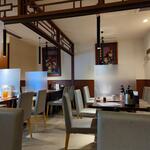
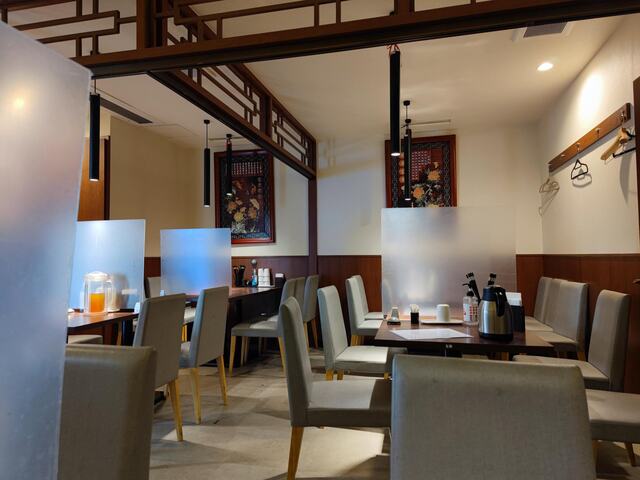
Stylish space, calm space, large seats, counter seats available, sofa seats available, wheelchair accessible
Drink
Sake, shochu, wine, and cocktails available
Dishes
Focus on vegetable dishes, fish dishes, English menu available.
Comments
(20)

だい c61f1d
3.10
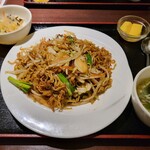
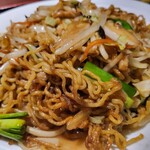
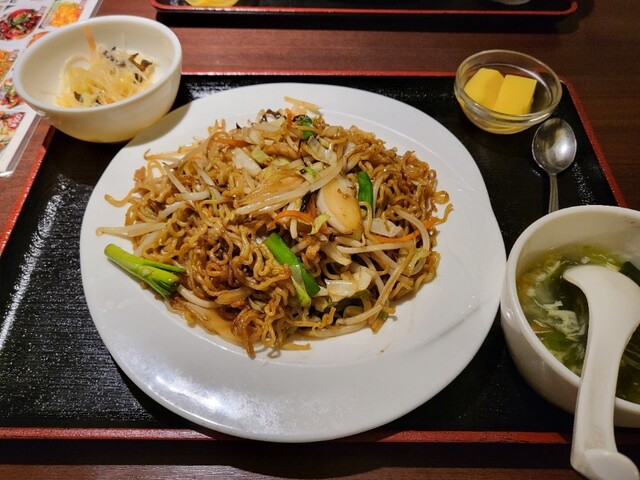
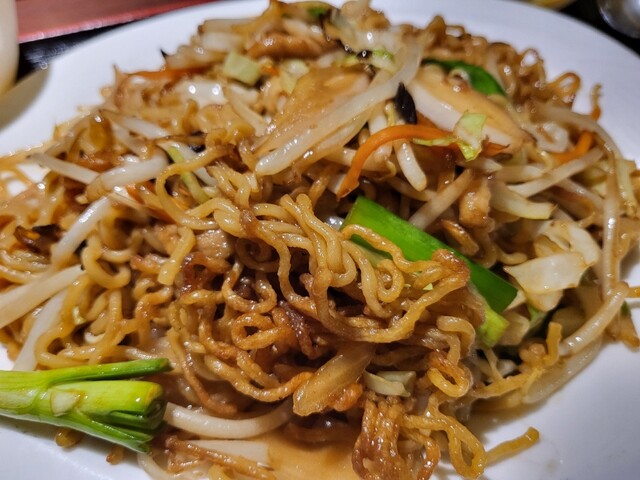
I found this restaurant nearby for a quick meal during work, and my boss and I decided to try it out. The good points were that despite being a Chinese restaurant, the interior was fairly clean. Also, the speed of service during lunch was fast, which was great for us. We ordered the "Artisanal Special Set Menu Shanghai Yakisoba" for 880 yen. However, the noodles were unexpectedly hard and crunchy in some parts, as if they had been reheated. The accompanying glass noodles were also lacking in flavor. But I guess that's just how it is for a lunch meal. Thank you for the meal.

Silvers Rayleigh
3.20
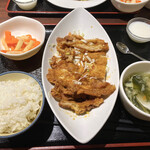
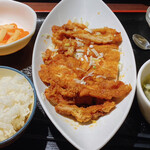
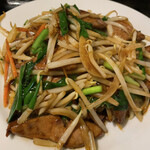
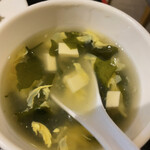
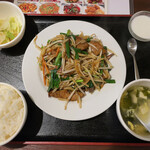
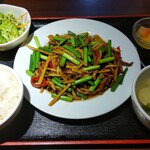
Arrived at the restaurant at 11:25 on a weekday. Had plans starting at 12:00, so hurriedly entered a nearby restaurant with plenty of empty seats. Was seated at a table towards the back and immediately ordered the daily special (Liver and Garlic Chives) for 850 yen, which was at the top of the menu. The restaurant seemed to have a Chinese influence, with a few women and a seasoned male staff. The food arrived in about 5 minutes, consisting of Liver and Garlic Chives stir-fry, rice, seaweed egg soup, a small lettuce salad, and almond jelly. The Liver and Garlic Chives dish had a generous portion, was served hot, and tasted delicious. The rice was also very satisfying. However, the rest of the items seemed to be cost-effective.
マネキ
3.50
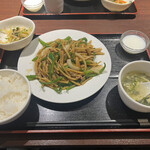
It was a sunny Tuesday around 12:20 pm when five of us visited the restaurant. The place was busy, so we had to wait for about 5 minutes to be seated. It took some time for the staff to come to our table even after we called them. We waited for about 10 minutes. We ordered the shredded pork with green peppers set meal. It arrived in about 3 minutes, which was surprisingly fast. The taste was decently good. I didn't like the rice as it was a bit too sticky for my preference, but the shredded pork with green peppers was delicious. I would like to try a different dish next time.

ynさん
3.00
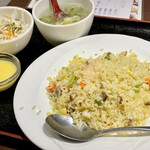
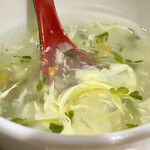
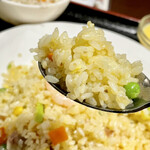
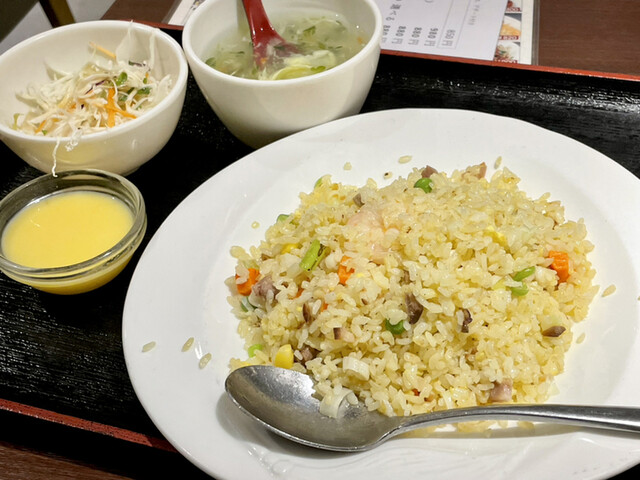
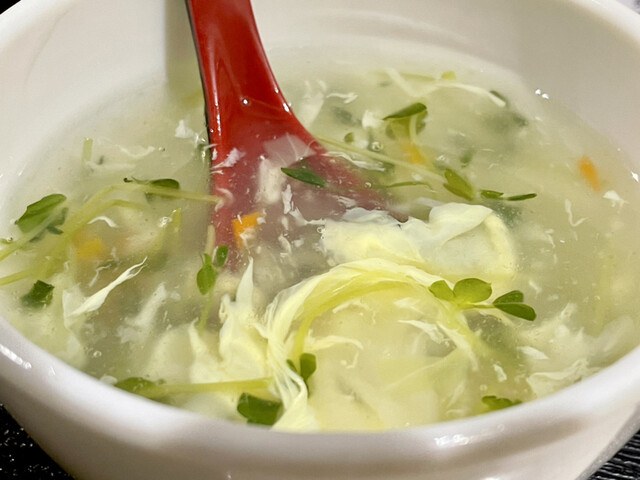
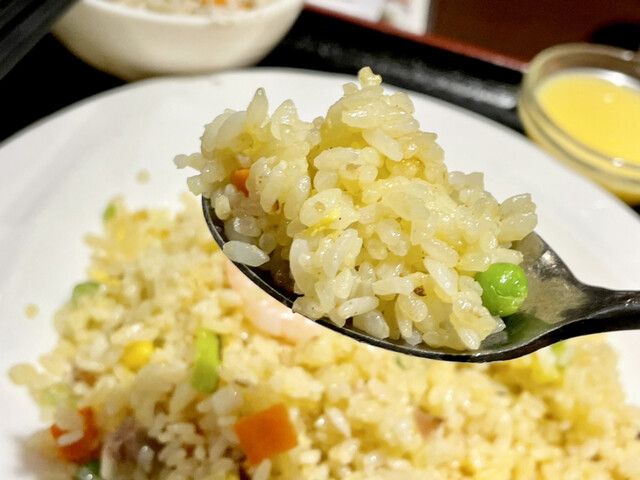
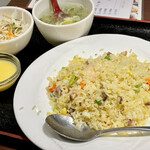
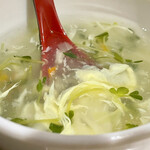
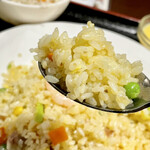
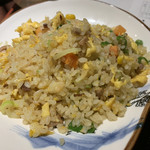
I visited a Chinese restaurant for lunch in early April 2023. The place was quite crowded, indicating its popularity. I ordered the Five-Ingredient Fried Rice, but was surprised to find it was not on the menu, so I settled for the Five-Ingredient Fried Rice instead. The meal included the fried rice, a cabbage-based salad, egg soup, and almond jelly. The soup was decent, although I personally didn't like the taste of pea shoots in it. The fried rice was very well-cooked, with a slightly greenish-yellow color and a hint of star anise aroma. It contained egg, pork, carrots, green onions, peas, and a medium-sized shrimp on top. The seasoning was just right, but the rice lacked a bit of elasticity. The shrimp was simply placed on top without much seasoning. The almond jelly had a peach scent, which was a unique touch. Overall, the meal was quite delicious, despite a few minor shortcomings. I paid using PayPay at the end of the meal.

shin04
3.10
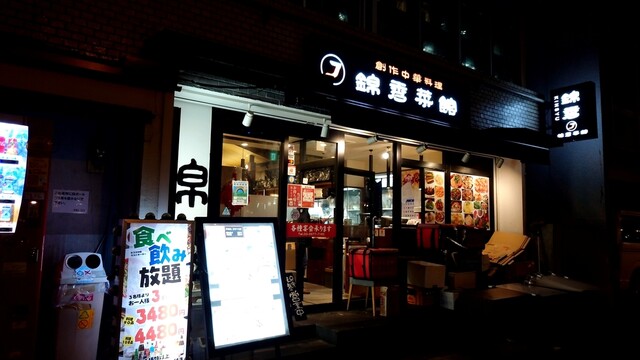
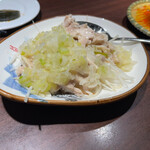
I went to Kinshu Nakanan near Jimbocho Station. The all-you-can-eat and drink A course for 3 hours (only on weekdays?) is around 4,000 yen with beer included, making it quite cost-effective. You can choose from 90 dishes, and I ordered dishes such as stir-fried pea sprouts, grilled dumplings, mapo eggplant, chicken with green onion chashu, chicken with black vinegar dressing, and sticky rice. All of them were delicious and satisfying enough for all-you-can-eat, but personally, I especially liked the chicken with green onion chashu.

nobor718
3.50
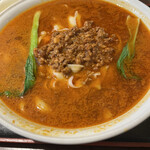
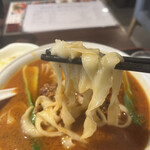
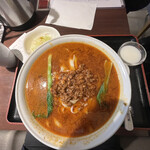
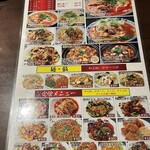
I went to a nearby restaurant for lunch on Monday due to being busy. I arrived at the restaurant around 12 o'clock, just a few minutes walk from my workplace. The entrance was small, but the inside of the restaurant was surprisingly spacious. I was seated at a table towards the back. Looking at the menu, there were quite a variety of options. I like tantanmen, so I ordered the Tantan Hand-Pulled Noodles without cilantro for 880 yen, with an extra serving for 100 yen. It was served in 8 minutes. The portion was quite generous. The soup was not too spicy, but had a good umami flavor, which I liked. The standout feature was the hand-pulled noodles, which had a chewy texture and were very delicious. All of this for 980 yen, so I think it's a great value in the competitive Chinatown area of Jimbocho. Next time, I'll try ordering a set meal!

bonita0317
3.10
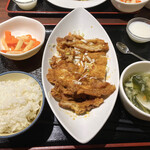
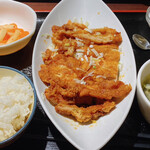
In an office district, there is a Chinese restaurant with a variety of set meals. The place is run by people from China, with Chinese words flying around the restaurant. After struggling to choose, I ordered the Oyster Sauce Chicken set meal. Each set meal is hearty and filling, seems like a place more suited for men. The Oyster Sauce Chicken had a strong vinegar taste, making it hard to distinguish the flavor of the chicken itself. It was quite salty. Under the chicken, there were shredded cabbage. They also have daily specials, like the luxurious lamb hot pot. When it comes to Chinese food in Jinbocho, I think I'll stick to Sanen-en. Overall, including the service and taste, ===========

無芸小食
3.50
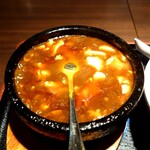
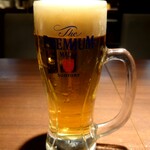
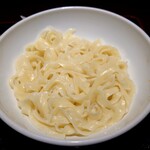
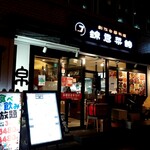
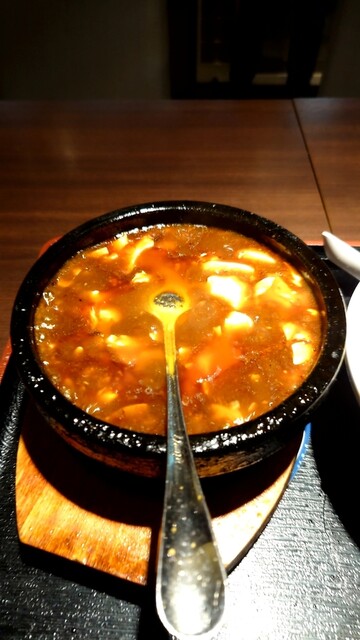
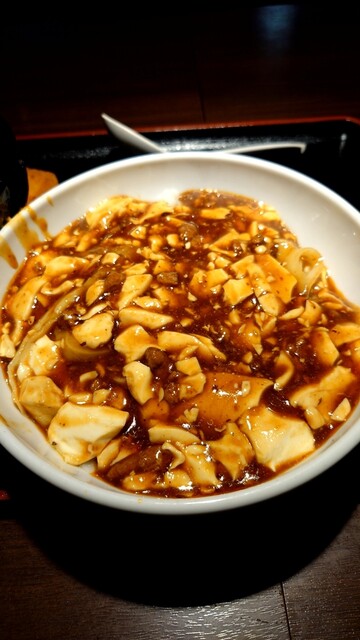
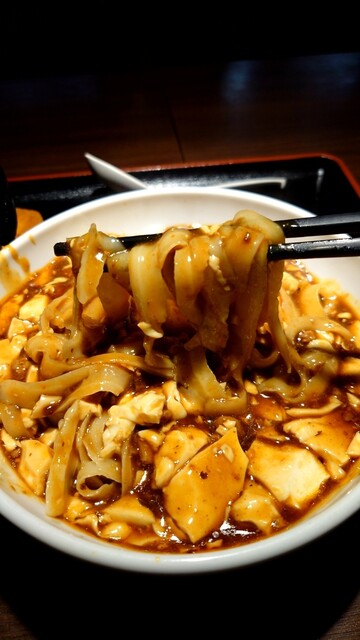
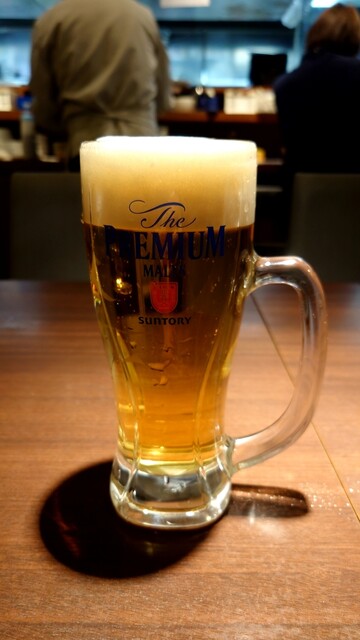
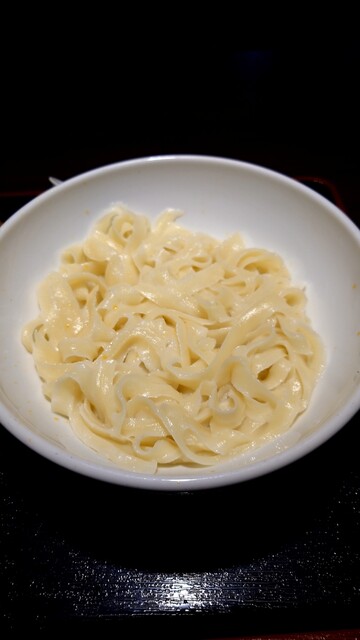
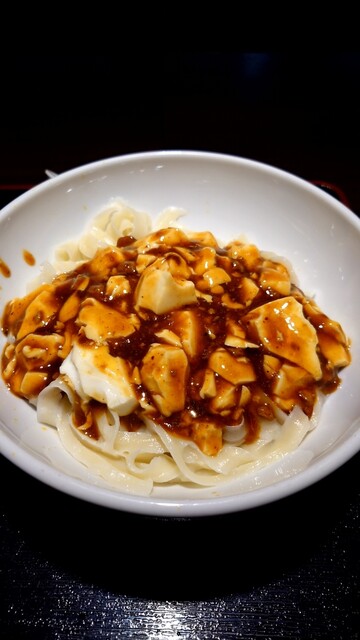
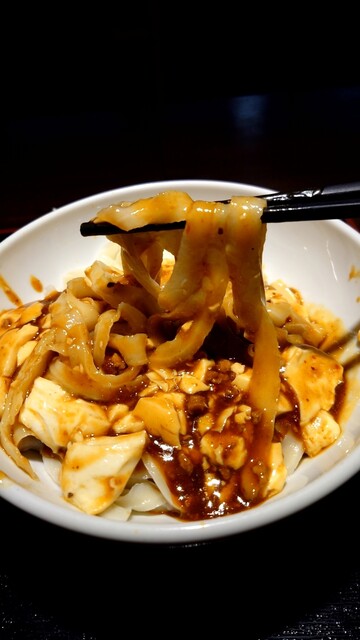
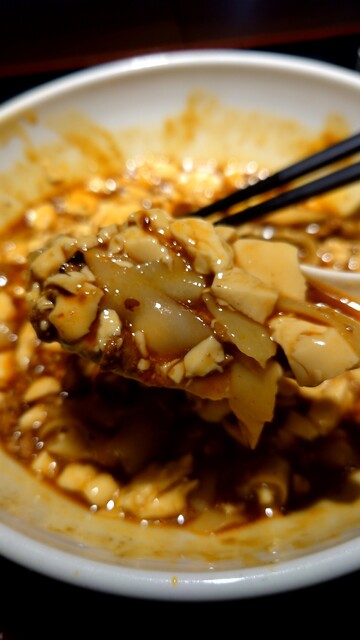
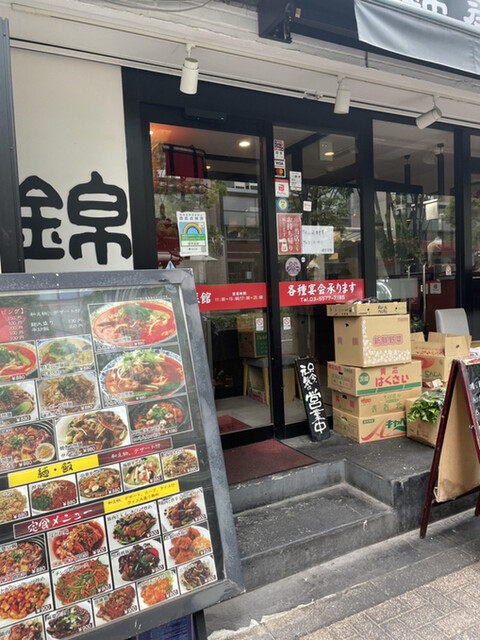
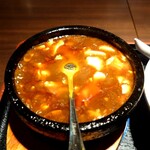
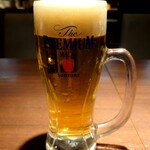
Located along a street two blocks south of Jimbocho 1-chome and Jimbocho Fureai Street is Kinshu Saikan, a restaurant serving creative Szechuan cuisine, knife-cut noodles, and Hong Kong dim sum. The sign in front of the restaurant highlights our commitment to using top-quality Szechuan spices sourced directly from China, without any artificial seasonings. With over 30 types of traditional Chinese medicinal herbs and spices, our dishes are not only delicious but also beneficial for your health. The menu features a variety of Szechuan dishes, including the enticing Lien-Yen Stone Pot Mapo Tofu. The head chef, Liang Jifei, a recipient of the "Chinese Top Chef" award, combines rich flavors and unique spiciness to create authentic Szechuan cuisine. During my visit around 8 pm, the restaurant was bustling with activity, with nearly all 80 seats occupied. Despite the busy atmosphere, the service was a bit slow, likely due to the high volume of delivery orders. I ordered a refreshing draft beer and decided on the Stone Pot Mapo Tofu Knife-Cut Noodles, a delightful combination of spicy tofu and chewy noodles. The dish arrived bubbling hot in a stone pot, with a separate plate of noodles. The spicy Mapo tofu had a deep, flavorful taste, complemented perfectly by the smooth texture of the knife-cut noodles. I thoroughly enjoyed the dish, savoring the intense flavors and feeling the satisfying heat. Just as I was relishing the meal, a friend called to join me, and although I had already indulged in the delicious food, I couldn't resist the opportunity to share the experience with them.

Edel28
3.40
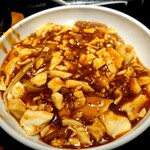
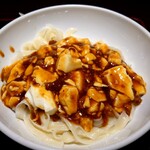
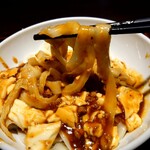
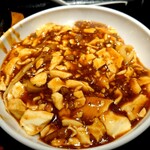
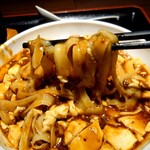
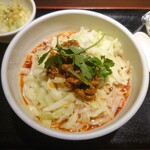
I tried a dish called "Youpo Noodles" recommended by my Chinese colleague, and I had no idea what to expect. It turned out to be a specialty from Xi'an, consisting of noodles topped with spicy miso and peanuts, similar to a spicy oil-based ramen. It was quite delicious, so I look forward to trying another Xi'an specialty called "Biang Biang Noodles" next time.

カレ犬
3.50
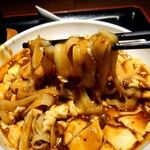
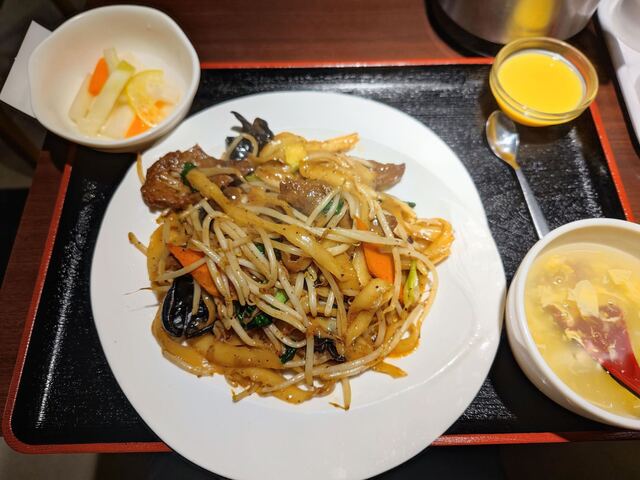
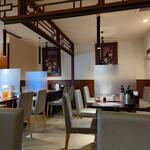
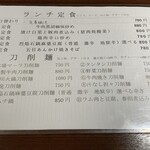
I like knife-cut noodles, but I don't have many opportunities to eat them in my daily life. So, I decided to go to Nisshu Nakanakan, a famous knife-cut noodle lunch spot in Jimbocho. The restaurant is long and narrow, facing both north and south streets, with entrances on both sides. The tables and chairs are sturdy, but there is a slight feeling of not being cleaned properly, common in Chinese restaurants in the outskirts. The service is average. They offer 7 types of knife-cut noodle lunch sets and a total of around 15 options, all priced at less than 1,000 yen, as expected from a well-known lunch spot in a competitive area. However, they lean towards Sichuan-style or spicier Chinese dishes, so be careful when choosing. On this hot day that didn't feel very spring-like, I tried the dry-fried beef knife-cut noodles. It's basically like yakisoba. Did it satisfy my craving for knife-cut noodles? Well, at least the knife-cut noodles here did the trick. The chewy noodles, seasoned with a dashi soy sauce-like flavor and pepper, paired well with the generous amount of toppings, making it delicious. Although it was affordable, I wished there were more noodles, and the side soup, small dishes, and dessert that came with the meal could have been tastier. It would have been perfect if they offered the option to have just the noodles without any sides, or if they allowed customers to choose just one side dish to accompany the meal, catering to the mindset of office workers.

TA・KA
3.10
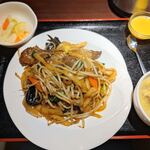
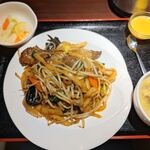
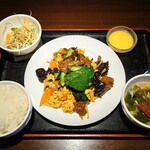
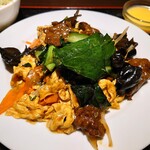
Today, I felt like having Chinese food, but when I arrived at the restaurant I had in mind, there was a sign saying that lunch was sold out. It was only 1 pm, so I was out of luck. I decided to try another restaurant nearby, even though it wasn't what I originally wanted. Despite it being the latter part of lunchtime, the restaurant was quite busy. I was seated at a slightly empty table. The daily special was tomato and egg knife-cut noodles, but I decided to skip it because I was curious about the tomato flavor. I looked for a noodle dish or fried rice set, but they didn't have it, so I chose the A set meal with beef, egg, and black fungus stir-fry (880 yen) from the regular menu. A pot of tea was brought to the table, but it was lukewarm. While sipping on the lukewarm tea, I reconsidered the menu and noticed at the bottom that they had half fried rice (280 yen). I regretted not ordering it as a set with my noodle dish. After waiting for about 7 minutes, my meal was served. I tried the wakame and egg soup, which had a thick texture and a mild flavor. Moving on to the main dish, the beef was quite tender but had some tough parts. The beef and black fungus were of average quantity, while the egg was quite abundant. The overall flavor was also a bit mild, similar to the soup. I felt that a stronger seasoning would have been better as a side dish for rice. The portion size was decent, but since the rice portion was small, the focus was more on the side dishes. After finishing my meal, I had dessert, which seemed to be almond jelly. I finished by drinking the now even cooler tea. It seems like this restaurant is quite popular, but it didn't quite suit my taste. Perhaps my choice of dish was not the best. I might try the knife-cut noodles next time. They accept payment through PayPay and auPay.

honch56
3.40
Overall rating criteria: The average score is 3.0 points, with a 0.5 point increment. The total points are calculated by adding the scores for food/taste multiplied by 4, service multiplied by 2, atmosphere multiplied by 2, and cost performance multiplied by 2, then dividing by 10 (alcohol/drinks are not included).
Unspecified: Not mentioned
Delicious: Tasty

matty517
3.20
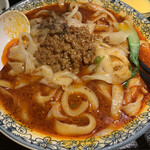
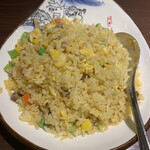
The restaurant recommended for knife-cut noodles was unfamiliar to me, but I decided to order them. I didn't realize they came with cilantro... I should have asked for it to be removed. The soup was bright red, and I was wearing white, so I couldn't slurp it down easily. The noodles were chewy and delicious. The portion of noodles was much larger than a regular ramen. I couldn't even touch the additional half-fried rice... When I asked if I could take it to go, they said okay! That was a relief... The prices were reasonable and perfect for business people. The restaurant was quite spacious, so I could keep my distance from others.

トントンマン
3.50
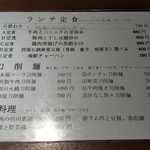
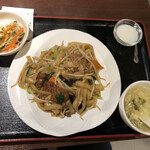
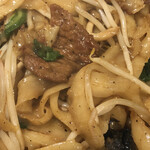
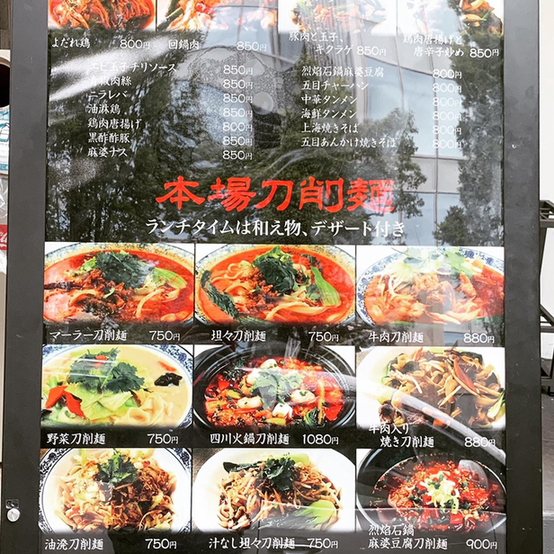
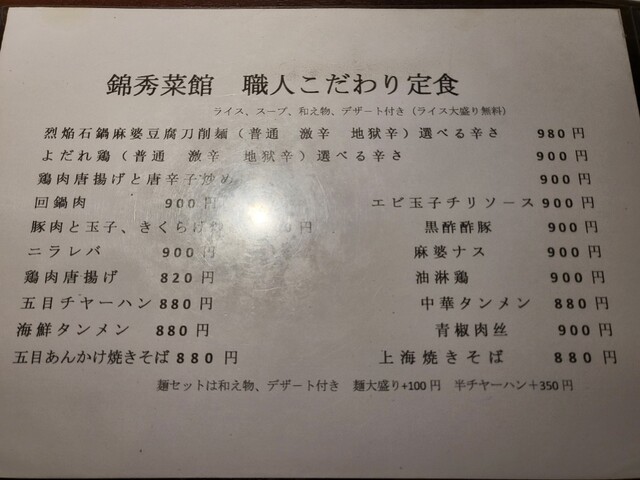
Needless to say, noodles have become an essential part of the Japanese diet. Not only traditional Japanese noodles like soba and udon, but also ramen, Chinese noodles, pasta, Vietnamese and Thai noodles, and more are easily accessible in Japan. Personally, I have a preference for unique and unconventional noodles across different cuisines, whether it be Japanese, Western, Chinese, or ethnic. For example, I enjoy rustic soba or morekome soba over regular soba, and I prefer Musashino udon or Buzen-style udon over traditional udon. In terms of pasta, I like short pasta or other unconventional types, and for Chinese noodles, I tend to gravitate towards non-traditional options. This preference aligns with the increasing presence of native cuisine from around the world in Japan, which I find very appealing. One standout unconventional noodle that I enjoy is knife-cut noodles, which have become quite popular in Japan. In recent years, there has been a slight slowdown in the introduction of continental Chinese cuisine compared to before, but new restaurants like this one, which opened in April 2019, continue to emerge. The restaurant, named "Ninshu," seems to be a rebranding or continuation of a previous Chinese restaurant in the area. The head chef, Ms. Liang Huifei, is known for her expertise in Sichuan cuisine and creative dishes using high-quality spices and herbal ingredients sourced from Sichuan Province. The restaurant is located in Kanda Jimbocho, and the cozy interior and spacious seating arrangement provide a different atmosphere compared to the typical Chinese eateries in the area. The menu offers a variety of set meals featuring soup, side dishes, and dessert, with prices ranging from 750 yen to 1,080 yen. I ordered the beef stir-fried knife-cut noodles for 880 yen, and although the wait was a bit long (about 7 minutes), the dish was worth it.

Wine, women an' song
3.30
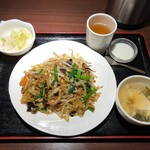
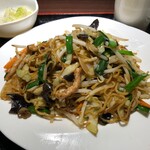
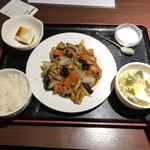
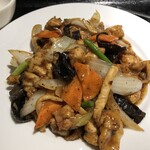
I revisited the restaurant after enjoying the delicious Yodare Chicken on my first visit. I selected the Shanghai Yakisoba from the lunch menu, which had a good balance of soy sauce, noodles, and ingredients. It was quite filling but enjoyable without getting tired of it. The Chicken Pepper Stir-Fry had a nice kick from the pepper, which added a good accent to the dish. Both dishes were cooked perfectly with great flavors. However, the set meal with slightly bland soup, almond jelly, and side dish (as listed) felt unnecessary and continued in a lackluster way. It's a shame. Both dishes are delicious on their own, so it might be better to enjoy them as individual items for a night out, rather than as a set meal.

kuishinbou33
3.30
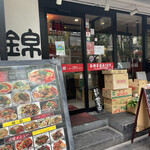
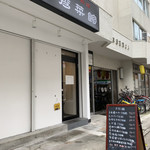
Lunch menu at a reasonably priced creative Sichuan cuisine restaurant. Located about a 3-minute walk from the Jimbocho intersection, behind the Jimbocho Mitsui Building. There was a lady at the storefront ready for takeout sales. "Kinshuikan" with a box-type table and quite a spacious interior. Modern atmosphere, communication in Chinese between the hall and kitchen. I entered at 13:30. It was not crowded, and there were many solo diners. Self-serve tea. Call button available, long reusable chopsticks provided.
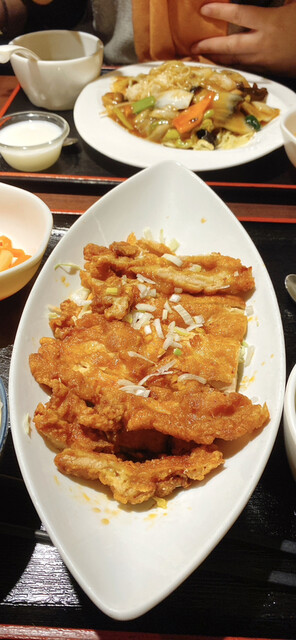
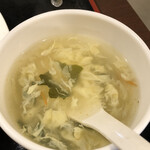
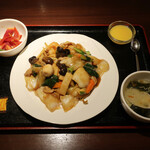
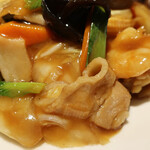
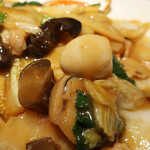
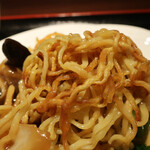
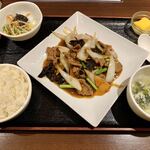
- Five-ingredient ankake yakisoba 780 yen with lunch set seaweed and egg soup. The ankake sauce was thick, with a very subtle flavor. Kimchi-flavored pickles, red core radish maybe? Surprisingly delicious, can be eaten on its own or mixed with yakisoba. Yakisoba with plenty of vegetables. Despite the appearance, the flavor was subtle, and the amount of ankake sauce was small. Carrots, bamboo shoots, komatsuna, baby corn, wood ear mushrooms, shiitake mushrooms, soft squid, 2 plump shrimp, and slightly bitter Chinese cabbage. Quail eggs for a nice surprise at the end. Slightly thick curly noodles. Crispy and chewy, delicious. The well-chilled mini mango pudding for dessert was also delicious. Since it's a Sichuan cuisine restaurant, I was expecting a bit of a twist, but it turned out to be a very ordinary "five-ingredient ankake yakisoba". I'm curious about the spicy Sichuan dishes. The lunch set items are really affordable!!
Wine, women an' song
3.40
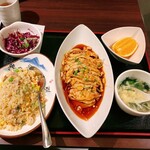
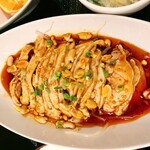
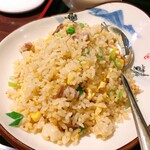
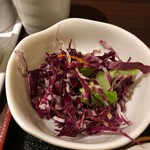
Ginza Rockfish Mr. Masuguchi's book introduced me to this restaurant. I found out about it from his latest book "The Bar Owner's Quietly Enjoyed Drinking Wanderings," which mentioned Macho Hyakuraku in Takashimadaira. I wondered if they really serve the best chu-hai in Japan, so I bought the book, but it turns out they don't (lol). Still, I was intrigued and decided to visit the restaurant. In the book, they recommended the chicken with drool sauce and simmered pickled cabbage with pork, so I was torn but ended up ordering the drool chicken set with half-fried rice. Wow! The chicken was indeed moist and delicious. I chose the normal level of spiciness, but it was still quite spicy. I wanted a beer. The half-fried rice was hot and fluffy. It was really good. The soup was a bit too strong for my liking, but overall, I was satisfied with this lunch meal. I got greedy with the half-fried rice, but I think the set with white rice would have been enough. I definitely want to try another recommended dish next time. As a continental-style Chinese restaurant, the interior was quite clean, spacious, and comfortable. I will definitely revisit this place.

Racco903
3.40
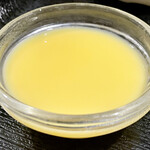
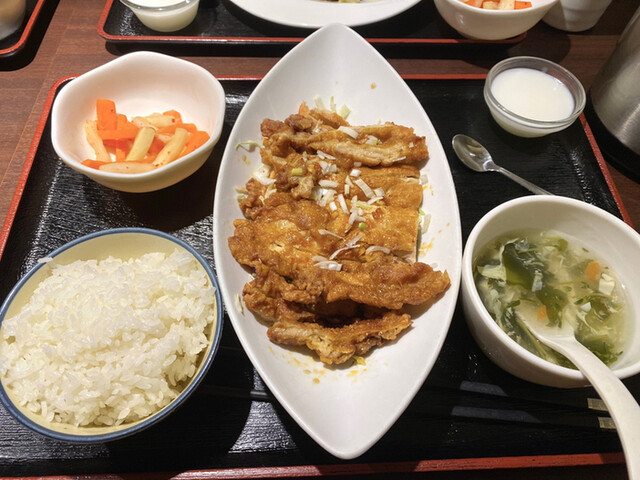
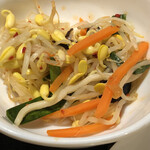
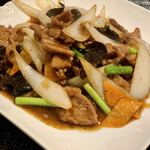
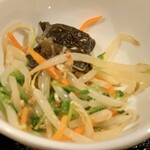
This is a Sichuan cuisine restaurant that opened in April 2019. I decided to visit after noticing it was quite busy during lunchtime. I hurried there and although there were not many customers when I arrived, I was promptly seated at a shared table by efficient Chinese staff. The lunch menu includes noodles and set meals, with only knife-cut noodles and bean thread noodles available, more resembling a Xi'an-style restaurant than Sichuan. For my first visit, I chose the A set meal - Stir-fried Beef with Black Pepper for 880 yen. The set meal came with rice, soup, side dish, and dessert. After a short 5-minute wait, my tray arrived as the restaurant started to fill up. The side dish was a refreshing mix of bean sprouts, chives, carrots, and wood ear mushrooms in a non-vinegary salt dressing. The main dish of black pepper stir-fry was well-cooked with tender beef and a good kick of pepper, complemented by garlic sprouts. The dessert was a mini mango pudding with just the right amount of sweetness. As I left, there was a long line forming outside and the bento boxes were also popular. Since they only offer knife-cut noodles, I might try them next time!

hassyfb3
3.40
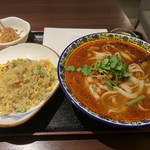
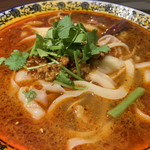
The portion of the Ma La sliced noodles at Marla is huge, no wonder they don't offer a rice set. The taste and spiciness are good, but the amount is overwhelming. The half-fried rice seemed like it was pre-made and not that great. I ended up leaving more than half of it. Thank you for the meal.
hassyfb3
3.50
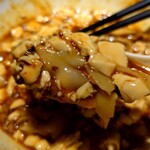
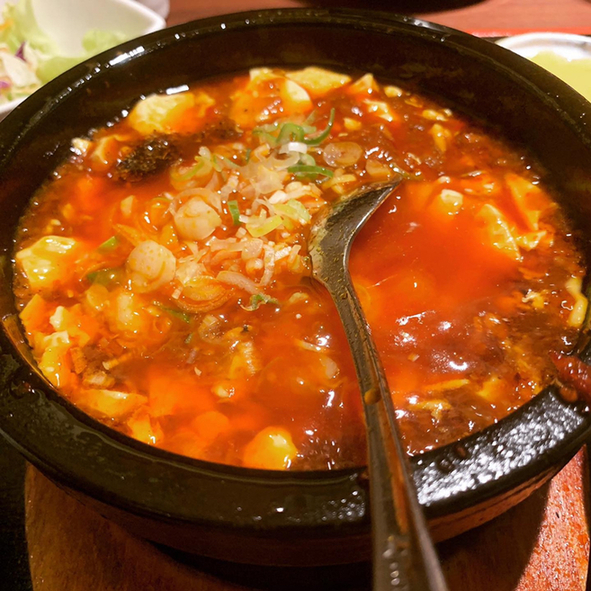
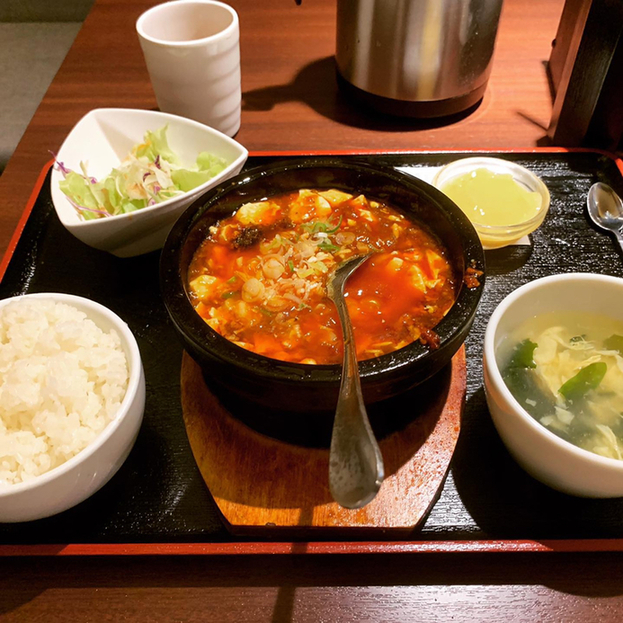
Today's lunch was the "Intense Spicy Mapo Tofu Set" I found at a Chinese restaurant on a back street in Jinbocho. The name sounds pretty intense! The flavor was a mix of sweet meat miso and spicy chili oil, which really packed a punch. The heat from the sizzling stone pot made me break a good sweat. Thank you for the delicious meal!
Email Login